
Stress Calculator – Instantly Check Your Stress Level & Mental Health Score online
A Stress Calculator also called Stress Impact Forecaster helps evaluate emotional, physical, and mental stress, offering insights to improve balance and overall health.
Stress Forecaster
Stress Forecaster
Real-time biological load & resilience modelling.
Lifestyle Audit
Mental intensity, decision making, and focus hours.
Restorative depth and consistency of rest.
Immune function and general inflammatory state.
Anxiety levels and psychological pressure.
Time spent on high-dopamine digital inputs.
Bio-Impact
Daily Protocol
Resilience Curve
1. Introduction
Stress impacts countless individuals daily; consequently, it affects mental focus, emotional stability, sleep patterns, and overall health. Therefore, recognizing your personal stress levels becomes essential for improving well-being and preventing burnout. In fact, early awareness often reduces long-term emotional and physical strain.
Our Stress Calculator provides a straightforward, evidence-based self-assessment; moreover, it allows you to evaluate your current stress condition quickly and accurately.
Within minutes, you gain meaningful insights into how daily pressures influence both your mind and body. As a result, you can respond proactively rather than react emotionally.
Managing mental well-being starts with understanding your stress levels, and a Stress Calculator makes that simple.
Regular stress checks improve self-awareness and help you build better coping strategies. When you understand your triggers, you respond calmly instead of reacting emotionally. Small insights can create powerful long-term changes in your mental health.

2. What Is a Stress Calculator?
A Stress Calculator is an online self-assessment tool designed to measure perceived stress levels. It uses structured questions based on psychological models to estimate how much pressure you are experiencing. Most tools rely on research-backed frameworks like the Perceived Stress Scale. This method evaluates how unpredictable, uncontrollable, and overloaded you feel in daily life.
Unlike guesswork, a structured Stress Calcultor gives measurable results. Consequently, you receive a score that reflects mild, moderate, or high stress levels.
3. Why You Should Use a Stress Calculator Regularly
Stress builds silently. However, consistent monitoring can prevent long-term damage.
Using a Stress Calculator offers several benefits:
In addition, self-assessment tools empower individuals to take responsibility for their mental health without stigma.
4. How a Stress Calculator Works
A typical Stress Calculator follows three simple steps. The algorithm analyzes your responses and provides a personalized result. Moreover, many tools also suggest coping strategies.
Below is a simple flow diagram explaining the process:
5. Insights on Stress and Mental Health
According to a 2023 study published by the American Psychological Association , chronic stress significantly increases risks of anxiety, cardiovascular problems, and sleep disorders. The report highlights that over 70% of adults experience physical symptoms caused by stress. Researchers emphasize early screening and digital monitoring tools as effective preventive strategies. Therefore, online assessment tools play a growing role in promoting long-term mental wellness and early intervention.
Scientific evidence confirms that tracking stress levels improves coping behavior. Consequently, regular assessments lead to healthier outcomes.
6. Stress Levels by Category
Below is a visual representation of stress distribution. Green represents low stress, yellow shows moderate stress, and red indicates high stress levels. Monitoring these patterns helps users take timely action.
Stress Level Distribution
7. Stress Calculator and Mental Health Monitoring
Mental Health awareness continues to grow worldwide. However, many people ignore early signs of burnout.
A Stress Calculator acts as an early warning system. Also It identifies whether daily tension is manageable or escalating. Furthermore, combining stress evaluation with tools like PTSD Screening or Depression Screening creates a broader psychological picture.
While a Stress Calculator provides helpful insights, it does not replace professional diagnosis. If you experience severe anxiety, panic attacks, or emotional breakdowns, consult a licensed therapist immediately. Besides Online tools guide awareness, but expert evaluation ensures accurate treatment and recovery.
8. Advanced Tools and Predictive Insights
Modern digital platforms now integrate predictive features like a Stress impact Forecaster. This system estimates how current stress trends may influence future health risks. For example, Persistent high scores may predict sleep disruption or reduced productivity. Therefore, users can intervene early with lifestyle changes.
Some tools also compare your score against standardized scales like the Perceived Stress Scale, also increasing reliability.
• Instant stress score
• Easy self-assessment
• Science-based evaluation
• Encourages mental wellness habits
• Practice deep breathing
• Maintain sleep routine
• Exercise regularly
• Limit digital overload
• Track your stress weekly.
• Compare results monthly.
• Notice patterns in work cycles, relationships, and health habits.
Try More Calculators
9. How Often Should You Use a Stress Calcultor?
Experts recommend weekly tracking during high-pressure periods. However, monthly assessments may be sufficient during stable phases.
Consistency matters more than frequency. Repeated use of a Stress Calcultor builds a personal stress history.
Consequently, you can detect patterns and triggers more effectively.
10. Stress and Physical Health Connection
Chronic stress affects the immune system, heart health, and digestion.. Regular use of a Stress Calculator increases awareness of these risks.
When combined with healthy habits, it strengthens resilience. Tracking emotional strain reduces long-term complications.
It disrupts sleep and concentration
11. Digital Screening and Preventive Care
Modern online health tools simplify early detection. Combining stress scoring with PTSD Screening and Depression Screening enhances preventive care.
A Stress Calcultor integrates seamlessly into wellness websites, educational platforms, and corporate health programs. It supports broader awareness campaigns.
“Stress measured is stress managed. Awareness transforms silent pressure into actionable insight, empowering individuals to regain balance, protect mental health, and build resilience against future emotional challenges.”
12. The Bottom Line
Stress influences every part of life. Ignoring it can lead to serious mental and physical problems. However, proactive monitoring changes the outcome.
A Stress Calculator provides instant insights into your emotional state. It helps you detect early warning signs, adopt healthier habits, and seek professional guidance when necessary. Moreover, regular self-assessment builds resilience and emotional intelligence.
Start today. Track your stress, understand your patterns, and take control of your mental health journey.
Frequently Asked Questions
1. Minimal/Normal Stress (Eustress):This refers to positive, short-lived stress that actually helps you focus and stay motivated. It’s the feeling of excitement you get before an important deadline or a sporting event.
2. Moderate Stress: These are the regular, everyday pressures. While manageable, they do consume energy. You might feel a bit overwhelmed occasionally, but you can generally still perform your daily tasks.
3. Significant Stress: At this point, stress begins to have a noticeable impact. You might find yourself more irritable, experiencing increased fatigue, or struggling to get enough sleep.
4. Severe Stress: This level of stress feels truly overwhelming. It comes with clear physical and emotional symptoms, which could include headaches, heightened anxiety, or issues with digestion.
5. Extreme Stress (Panic/Chronic): This involves prolonged or very intense stress that seems inescapable. It can lead to complete exhaustion, panic episodes, serious health problems like high blood pressure or heart conditions, and ultimately, burnout.
Physical Symptoms may include
Aches and pains.
Chest pain or a feeling like your heart is racing.
Exhaustion or trouble sleeping.
Headaches, dizziness or shaking.
High blood pressure (hypertension).
Muscle tension or jaw clenching.
Stomach or digestive problems.
Trouble having sex.


Benefits of Garlic: Fight Cancer & Boost Health
Benefits of Garlic: Fight Cancer & Boost Health 1. Introduction The Benefits of Garlic have…

How Physical Activity Helps Reduce LDL Cholesterol Naturally
How Physical Activity Helps Reduce LDL Cholesterol Naturally High LDL cholesterol silently damages your arteries…
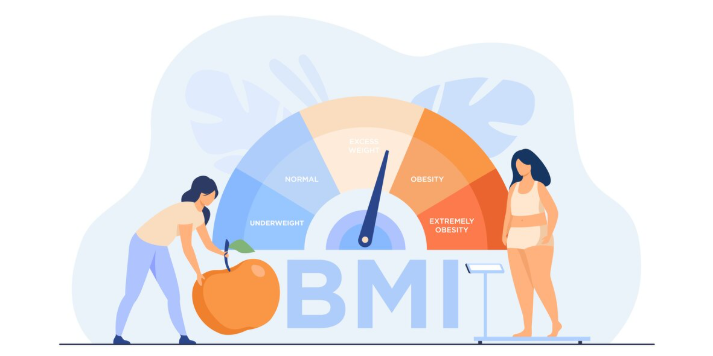
5 Simple ways to Know You are Overweight to Act Early
5 medically accepted ways to know if you are overweight Determining whether you are overweight…
Medical Disclaimer: The Website does not provide medical, clinical, or healthcare advise services. The content should not be relied upon as medical advice. Always seek the guidance of a qualified physician, healthcare provider, or medical professional with any questions you may have regarding a medical condition, treatment, or health decision. Never disregard professional medical advice or delay seeking it because of information found on this Website.
For More Calculators Click here