
5 Therapy Types That Help Meningitis survivors Heal Mentally

1. Introduction
Surviving Meningitis is not just a physical recovery, it often leaves deep psychological and cognitive effects that many people underestimate.
From my clinical observation and patient recovery patterns, many survivors experience:
- Persistent anxiety after hospital discharge
- Memory and concentration issues
- Emotional trauma linked to ICU experiences
- Changes in personality, confidence, and relationships
These are not signs of weakness—they are recognized post-infection neurological and psychological effects.
This guide explains 5 evidence-based therapy types that help meningitis survivors rebuild mental strength, regain confidence, and return to normal life.
- 5 Therapy Types That Help Meningitis survivors Heal Mentally
- 1. Introduction
- 2. Therapy Types That Help them Heal Mentally
- 2.1 Cognitive Behavioral Therapy Rebuilds Thought Patterns After Brain Trauma
- 2.2 EMDR Therapy Processes Traumatic Hospital Experiences
- 2.3 Support Group Therapy Creates Connection with Fellow Survivors
- 2.4 Neuropsychological Therapy Addresses Cognitive Recovery Needs
- 2.5 Family Therapy Heals Relationships Strained by Crisis
- The Bottom Line
2. Therapy Types That Help them Heal Mentally
2.1 Cognitive Behavioral Therapy Rebuilds Thought Patterns After Brain Trauma

Cognitive Behavioral Therapy is one of the most effective treatments for:
- Anxiety
- Depression
- Negative thinking after brain illness
After meningitis, patients often develop thoughts like:
- “I’ll never be normal again”
- “My brain is permanently damaged”
In many of the cases, these thoughts increase recovery time by creating stress loops.
In post-meningitis patients, I’ve seen memory lapses trigger anxiety, which further worsens concentration. CBT breaks this cycle.
Practical Techniques Used in CBT
✔ Thought reframing
✔ Memory compensation strategies
✔ Focus training routines
Instead of → “I can’t remember anything”, CBT reframes → “My brain is healing, I need structured support”
A 32-year-old survivor struggled with forgetting daily tasks. Using CBT and simple note systems, he regained independence within 3 months.
CBT doesn’t just treat symptoms—it rebuilds mental resilience.
Memory compensation techniques become essential tools in their recovery toolkit. These might include:
- External memory aids: Using smartphone apps, sticky notes, or digital calendars to track important information
- Chunking information: Breaking down complex tasks into smaller, manageable steps
- Repetition and rehearsal: Practicing important information multiple times to strengthen memory traces
- Environmental modifications: Creating organized spaces that reduce cognitive load
For concentration issues, CBT introduces the concept of attention management rather than attention improvement. Survivors discover their optimal focus times during the day and learn to schedule demanding tasks accordingly. They also practice mindfulness techniques that help redirect wandering attention back to the present moment without self-judgment.
Recommended for You : Burn care guide
2.2 EMDR Therapy Processes Traumatic Hospital Experiences

Eye Movement Desensitization and Reprocessing helps process traumatic memories stored in the brain.
Why Meningitis Survivors Need It
Many survivors experience:
- ICU flashbacks
- Fear of hospitals
- Panic during medical visits
These are similar to Post-Traumatic Stress Disorder (PTSD) symptoms.
How It Works
EMDR helps the brain:
- Reprocess traumatic memories
- Reduce emotional intensity
- Restore a sense of safety
Patients who avoided hospitals after meningitis were able to:
✔ Attend follow-ups
✔ Sleep better
✔ Reduce panic episodes
You remember the experience without reliving the fear
2.3 Support Group Therapy Creates Connection with Fellow Survivors

Why Support Groups Work
Recovery can feel lonely because:
- Symptoms are “invisible”
- Others don’t fully understand
Support groups connect you with:
✔ People who experienced meningitis
✔ Real-life coping strategies
✔ Emotional validation
Patients often say:
“This is the first place I felt understood”
Practical Gains of Social Group
- Memory aids: Simple smartphone apps that work better than expensive cognitive training programs
- Energy management: How to pace activities to avoid the crushing fatigue that follows overexertion
- Communication strategies: Ways to explain brain fog to employers or teachers without triggering discrimination
- Medication management: Tips for dealing with side effects that doctors might not mention
- Daily coping tips
- Motivation from others’ progress
Healing improves when you don’t feel alone
These aren’t textbook solutions – they’re battle-tested approaches from people who’ve figured out how to rebuild their lives. A group member might share how they use voice memos to remember important conversations, or describe a specific way they’ve learned to recognize their cognitive limits before hitting the wall.
Normalizes the emotional journey of Meningitis survivors recovery
Perhaps most importantly, support groups help normalize the complex emotional landscape of meningitis recovery. The guilt about being a burden on family members, the anger at a body that doesn’t work the same way, the grief for the person you were before – these feelings are universal among survivors but rarely discussed openly.
In group settings, these emotions lose their shame and secrecy. Members learn that questioning whether life is worth living during the darkest moments doesn’t make them ungrateful or weak. They discover that feeling angry about their limitations is normal, not selfish. The relief of learning that everyone struggles with identity questions during recovery can be transformative.
Support groups also help members understand that healing isn’t linear. Bad days don’t mean you’re not progressing, and setbacks don’t erase the gains you’ve made. This perspective, reinforced by seeing others navigate their own ups and downs, helps survivors develop realistic expectations and greater self-compassion throughout their recovery journey.
2.4 Neuropsychological Therapy Addresses Cognitive Recovery Needs
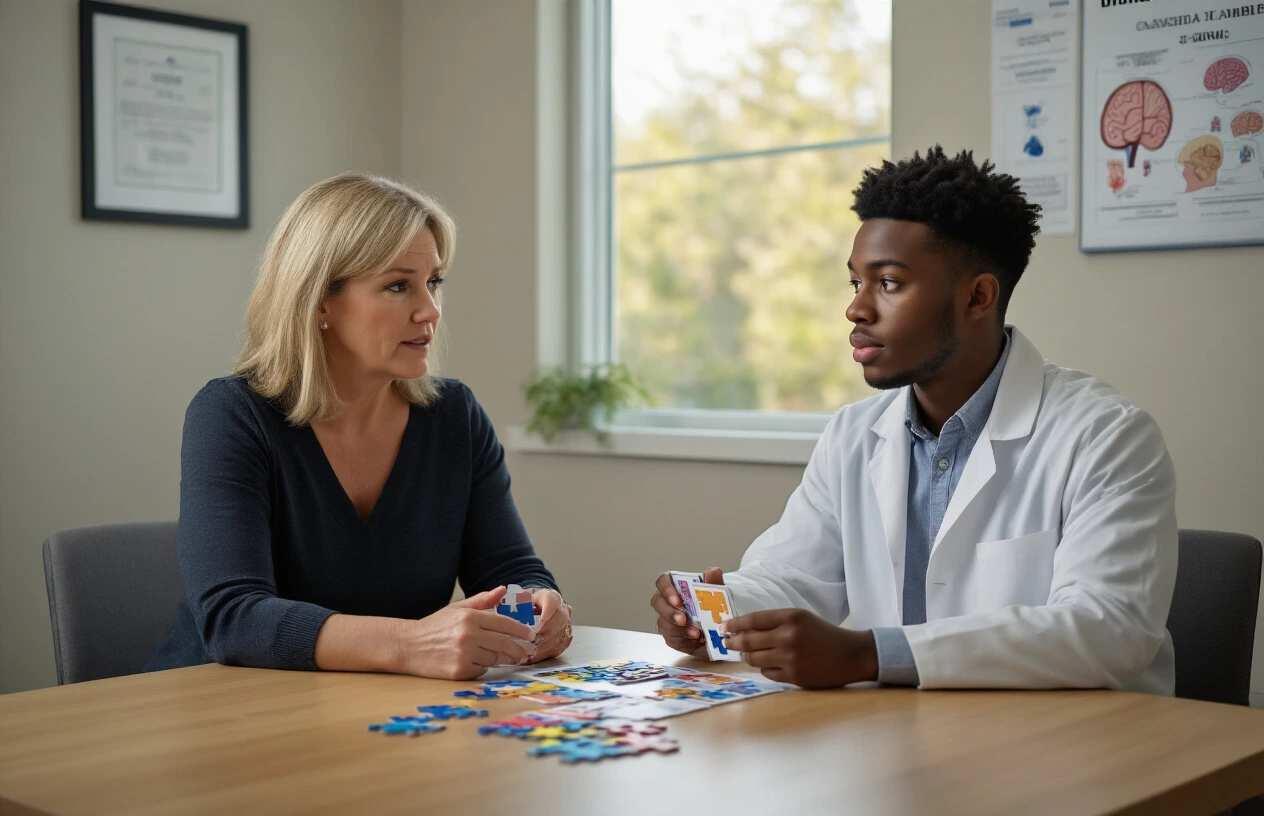
Neuropsychological Therapy targets:
- Memory
- Attention
- Problem-solving
- Processing speed
This therapy uses Neuroplasticity — the brain’s ability to reorganize and heal.
What Happens in Therapy
✔ Cognitive testing
✔ Personalized brain exercises
✔ Daily routine restructuring
A patient with attention issues improved by:
- Breaking tasks into steps
- Scheduling work during peak focus time
Helps you adapt to your brain—not fight it
2.5 Family Therapy Heals Relationships Strained by Crisis
Meningitis affects the whole family:
- Parents
- Spouses
- Children
Many experience:
✔ Fear
✔ Burnout
✔ Emotional trauma
What Family Therapy Does
✔ Improves communication
✔ Reduces misunderstandings
✔ Rebuilds trust
Families often misinterpret:
- Fatigue → laziness
- Memory issues → carelessness
Therapy corrects this.
Recovery becomes faster with family support

The Bottom Line
Mental recovery after meningitis is not optional—it’s essential.
The most effective approach includes:
- CBT → Thought healing
- EMDR → Trauma processing
- Support groups → Emotional strength
- Neuro therapy → Cognitive recovery
- Family therapy → Relationship healing
Recovery is not about going back to your old self—
it’s about building a stronger, adapted version of yourself.
References: What are the after-effects of meningitis?
Frequently Asked Questions
1. How long does mental recovery take after meningitis?
Mental recovery varies widely depending on the severity of the infection and individual factors. Some people improve within months, while others may need ongoing therapy for years.
2. Can children who survive meningitis benefit from these therapies?
Yes, children often benefit from age-appropriate therapies like play therapy, CBT, and family counseling to support emotional and cognitive development after meningitis.
3. Are medications needed along with therapy for mental health recovery?
In some cases, doctors may prescribe medications for anxiety, depression, or sleep issues alongside therapy. A mental health professional can determine the best approach.
4. When should a meningitis survivor seek mental health support?
Support should be sought if symptoms like anxiety, memory issues, mood changes, or difficulty coping persist after recovery or interfere with daily life.
5. Can lifestyle changes support mental recovery after meningitis?
Yes, healthy habits like regular sleep, balanced nutrition, light exercise, and mindfulness practices can significantly support cognitive and emotional healing.


Top 10 Hidden Health Risks You Shouldn’t Ignore in 2026 (Early Signs & Prevention Guide)
Top 10 Hidden Health Risks You Shouldn’t Ignore in 2026 (Early Signs & Prevention Guide)…

Benefits of Garlic: May Fight Cancer & Boost Health
Benefits of Garlic: May Fight Cancer & Boost Health 1. Introduction “Garlic has been used…

How Physical Activity Helps Reduce LDL Cholesterol Naturally
How Physical Activity Helps Reduce LDL Cholesterol Naturally High LDL cholesterol silently damages your arteries…
Medical Disclaimer: The Website does not provide medical, clinical, or healthcare advise services. The content should not be relied upon as medical advice. Always seek the guidance of a qualified physician, healthcare provider, or medical professional with any questions you may have regarding a medical condition, treatment, or health decision. Never disregard professional medical advice or delay seeking it because of information found on this Website.