
Mental Health Guide: Symptoms, Self-Assessment & Recovery Strategies
Mental health is just as important as physical health, yet it is often ignored until symptoms become severe. Conditions like Anxiety Disorders, Depression, and stress-related issues can affect daily life, relationships, and overall well-being.
This guide helps you:
- Understand common mental health conditions
- Identify early warning signs
- Use self-assessment tools
- Take the right steps toward recovery
These tools provide guidance—not diagnosis—and should be used alongside professional medical advice.
Early identification of mental health issues can Prevent worsening symptoms, Improve treatment outcomes and Support better quality of life.
Organizations like the World Health Organization emphasize early detection and intervention for mental health conditions.
Conditions Included in This Guide
- Depression – Persistent sadness, loss of interest
- Anxiety Disorders – Excessive worry, panic
- Post-Traumatic Stress Disorder – Trauma-related stress
- Burnout – Work-related emotional exhaustion
- Insomnia – Sleep disturbances
Early Warning Signs You Should Not Ignore
- Constant sadness or low mood
- Loss of interest in activities
- Sleep problems
- Difficulty concentrating
- Irritability or mood swings
If these symptoms persist, early support can prevent long-term complications.
Mental Health Self-Assessment Tools
Use the tools below to understand your current mental health status:
- Depression screening (PHQ-9)
- Anxiety assessment (GAD-7)
- Stress level check
- Burnout assessment
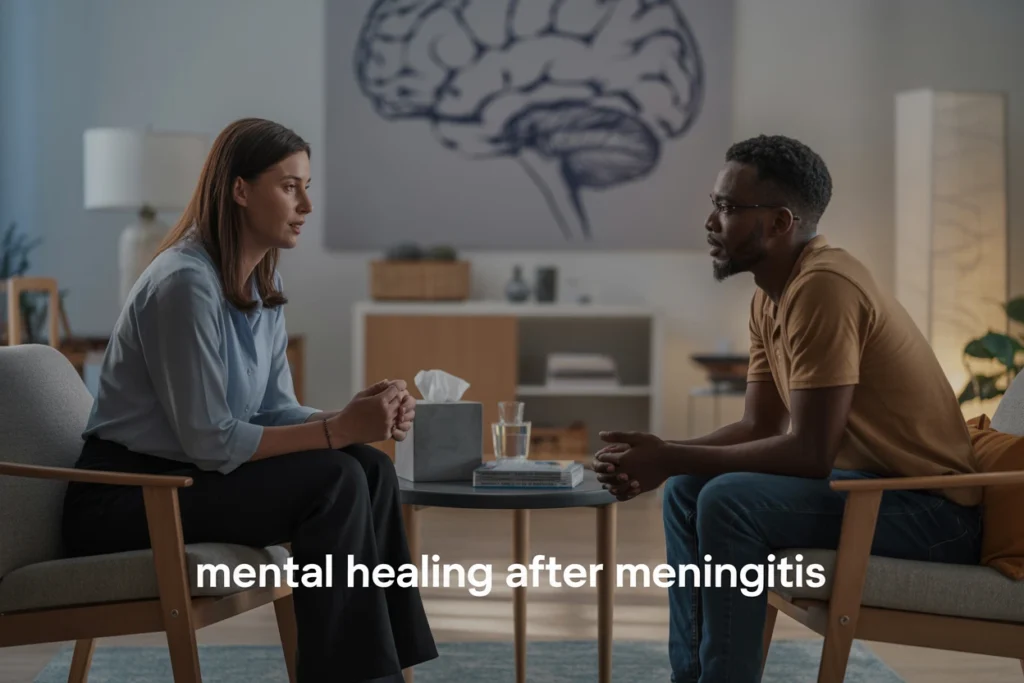
5 Therapy Types That Help Meningitis survivors Heal Mentally
5 Therapy Types That Help Meningitis survivors Heal Mentally 1. Introduction Surviving Meningitis is not just a physical recovery, it often leaves deep psychological and cognitive effects that many people underestimate. From my clinical observation and patient recovery patterns, many…
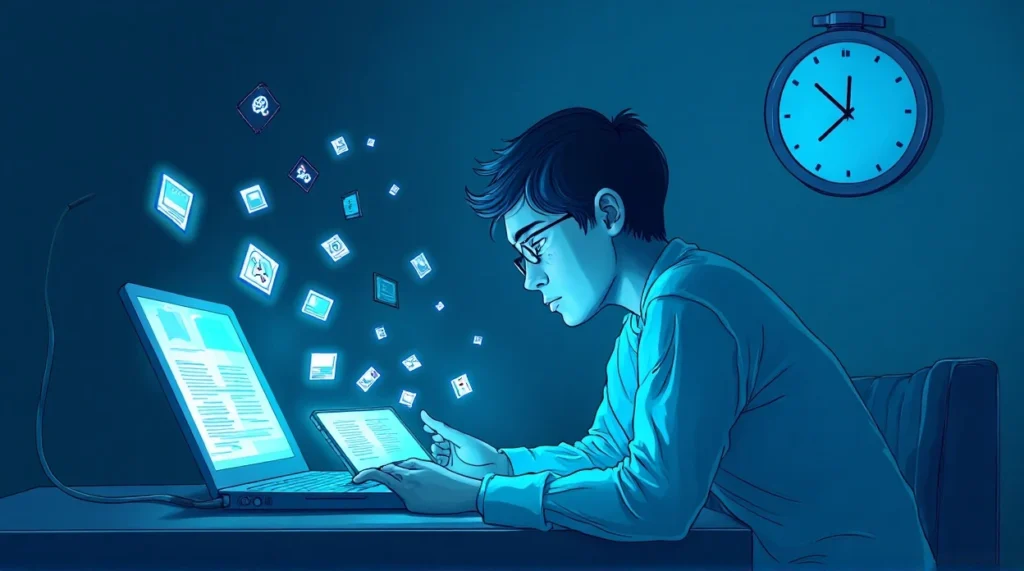
Digital Hangover: How Screen Time Impacts Mental Health
Digital Hangover: How Screen Time Impacts Mental Health 1. Introduction In today’s always-connected world, many people are experiencing something often called a Digital Hangover. It’s that tired, foggy, and emotionally drained feeling after spending too much time on screens. Whether…
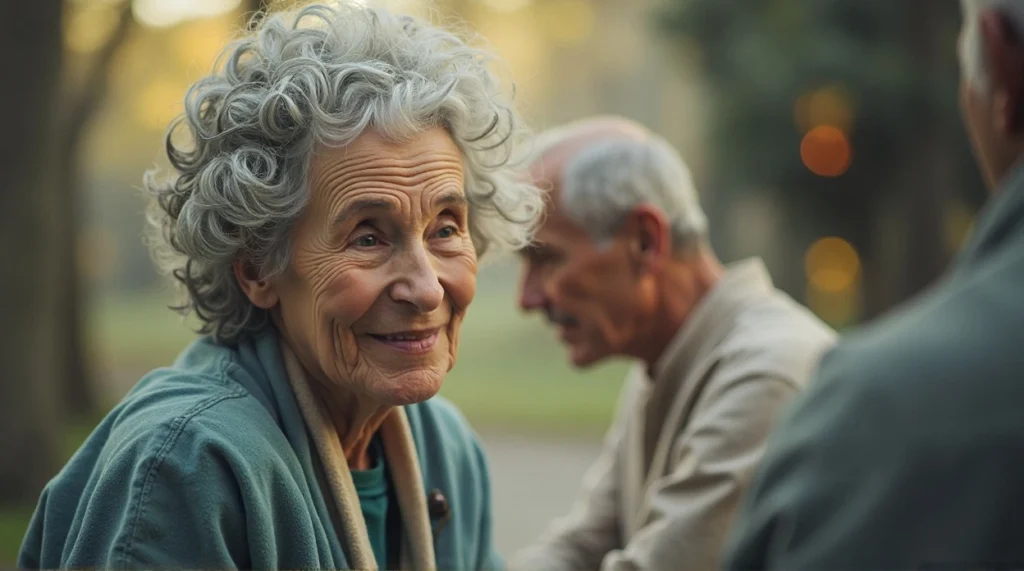
Caring for Dementia: How to Protect Mental Health as Memory Fades
Caring for Dementia: How to Protect Mental Health as Memory Fades 1. Introduction: Dementia Caring for a loved one with dementia can be both emotional and challenging. Dementia Care is not just about managing memory loss—it also involves protecting mental…
Mental Health Is the New Self-Care
Forget Bubble Baths—Mental Health Is the New Self-Care 1. Introduction of Mental Health For years, self-care meant spa days, scented candles, and relaxing bubble baths. While those activities feel good, they do not always address deeper emotional needs. Today, people…

3 Key Reasons Digital Health Needs a Reset
Digital health promised better care—but trust, transparency, and outcomes are falling short. From data privacy to biased algorithms, this article explores five key reasons the digital health ecosystem must reset to truly serve patients and clinicians. Table of Contents: Digital…
Categories
- Burn Care Guide (5)
- Burn Fluid Calculator (5)
- Burn Mortality Calculator (3)
- Burn Size Estimator (2)
- Health Risk Guide (13)
- Lifestyle Risk Calculators (6)
- Mental Health Calculators (5)
- Mental Health Guide (5)
Recent Posts
Top 10 Hidden Health Risks You Shouldn’t Ignore in 2026 (Early Signs & Prevention Guide)
Benefits of Garlic: May Fight Cancer & Boost Health
How Physical Activity Helps Reduce LDL Cholesterol Naturally
5 Simple ways to Know You are Overweight to Act Early
Cholesterol and Heart Health: 5 Symptoms You Shouldn’t Ignore
5 Therapy Types That Help Meningitis survivors Heal Mentally
Digital Hangover: How Screen Time Impacts Mental Health
Caring for Dementia: How to Protect Mental Health as Memory Fades
Healthy Lifestyle Changes: 4 Quick Ways to Improve Your Health
Chemical Burns: First Aid, Symptoms, Causes & Treatment Guide
Burn Depth Classification: First, Second, Third and Fourth Degree Burns
Worried About Breast Cancer? Check Your Risk & What to Do Next
Top Foods to Reduce Cholesterol: Diet Tips for Heart Health in 2026
9 Life-Saving Burn Management Tips Every Caregiver Must Know
7 Shocking Lifestyle Risk Factors You Must Avoid Today
These tools help identify patterns but are not a substitute for diagnosis.
What Your Results Mean
- Low Risk: Maintain healthy habits and monitor changes
- Moderate Risk: Consider lifestyle adjustments and early support
- High Risk: Seek professional help and evaluation
What to Do Next
After assessing your mental health:
Small steps can lead to significant improvement over time.
Therapy Options That Help
- Cognitive Behavioral Therapy (CBT) – Restructures negative thoughts
- Mindfulness-Based Therapy – Improves emotional regulation
- Group Therapy – Provides social support
- Mental Health Medication (if prescribed)
In clinical practice, many individuals delay seeking help because symptoms seem “manageable.” However, untreated mental health conditions often worsen over time. Early assessment and intervention significantly improve recovery outcomes.
Lifestyle Changes That Support Mental Health
- Regular exercise
- Balanced diet
- Quality sleep
- Social connection
- Stress management practices
Limitations of Mental Health Tools
- Not a diagnosis
- Based on self-reported data
- Cannot replace professional evaluation
- Always consult a qualified professional for accurate diagnosis and treatment.
Who Should Use This Guide?
- Individuals experiencing stress or anxiety
- People with mood changes
- Those facing life challenges
- Anyone interested in mental wellness
The Bottom Line
Mental health recovery is a journey that requires awareness, support, and the right tools. By understanding symptoms, assessing risks, and taking proactive steps, you can improve your mental well-being and overall quality of life.

Top 10 Hidden Health Risks You Shouldn’t Ignore in 2026 (Early Signs & Prevention Guide)
Top 10 Hidden Health Risks You Shouldn’t Ignore in 2026 (Early Signs & Prevention Guide)…

Benefits of Garlic: May Fight Cancer & Boost Health
Benefits of Garlic: May Fight Cancer & Boost Health 1. Introduction “Garlic has been used…
How Physical Activity Helps Reduce LDL Cholesterol Naturally
How Physical Activity Helps Reduce LDL Cholesterol Naturally High LDL cholesterol silently damages your arteries…
Medical Disclaimer: The Website does not provide medical, clinical, or healthcare advise services. The content should not be relied upon as medical advice. Always seek the guidance of a qualified physician, healthcare provider, or medical professional with any questions you may have regarding a medical condition, treatment, or health decision. Never disregard professional medical advice or delay seeking it because of information found on this Website.