
3-Step LDL Calculator – Instantly Check Your Bad Cholesterol Level
The LDL Calculator estimates low density lipoprotein cholesterol using clinical inputs, helping individuals and clinicians understand cardiovascular risk, track lipid levels, and support decisions for prevention, treatment, and lifestyle management.
Friedewald Formula
The standard clinical method. Accurate when Triglycerides are < 400 mg/dL.
Enter your values above to generate the clinical report.
Clinical Formula Details
Friedewald: The traditional calculation. Best for standard screenings where TG is low.
Martin-Hopkins: The modern preferred method for LDL < 70 mg/dL or high TG, as it uses a personalized TG divisor.
Iranian: A specialized regression model often used for comparative analysis in specific demographics.
Important Notice
This calculator provides estimates based on population data. Direct LDL measurement (Vertical Auto Profile or NMR) is the most accurate method. Always discuss results with your cardiologist or primary care physician.
- 3-Step LDL Calculator – Instantly Check Your Bad Cholesterol Level
- 1. Introduction
- 2. Understanding LDL Cholesterol
- 3. History of LDL Calculator
- 4. How an LDL Calculator Works
- 5. LDL Cholesterol Calculator Online
- 6. Calculate LDL from Lipid Panel
- 7. Bad Cholesterol Level Calculator
- 8. LDL Calculation Formula Tool
- 9. Martin Hopkins LDL Calculator
- 10. Latest Research on LDL and Heart Health
- 11. Monitoring and Assessing LDL Levels
- 12. Heart Health Action Points
- 13. LDL Cholesterol Monitoring Steps
- 14. Tips to Lower LDL Naturally
- 15. The Bottom Line
- Frequently Asked Questions
1. Introduction
Heart health begins with understanding your cholesterol numbers. Among them, LDL is often called “bad cholesterol” because high levels can increase the risk of heart disease. Therefore, using a reliable LDL Calculator helps you estimate your LDL value quickly from a standard lipid panel.
Most people receive cholesterol test reports but struggle to interpret them. However, a simple LDL Calculator can transform raw lab numbers into meaningful information within seconds. As a result, you gain clarity about your cardiovascular risk and take preventive action early.
Moreover, modern online tools have made it easier than ever to calculate LDL levels. Whether you want to monitor your health regularly or analyze lab results at home, a LDL Calculator offers a quick and practical solution.
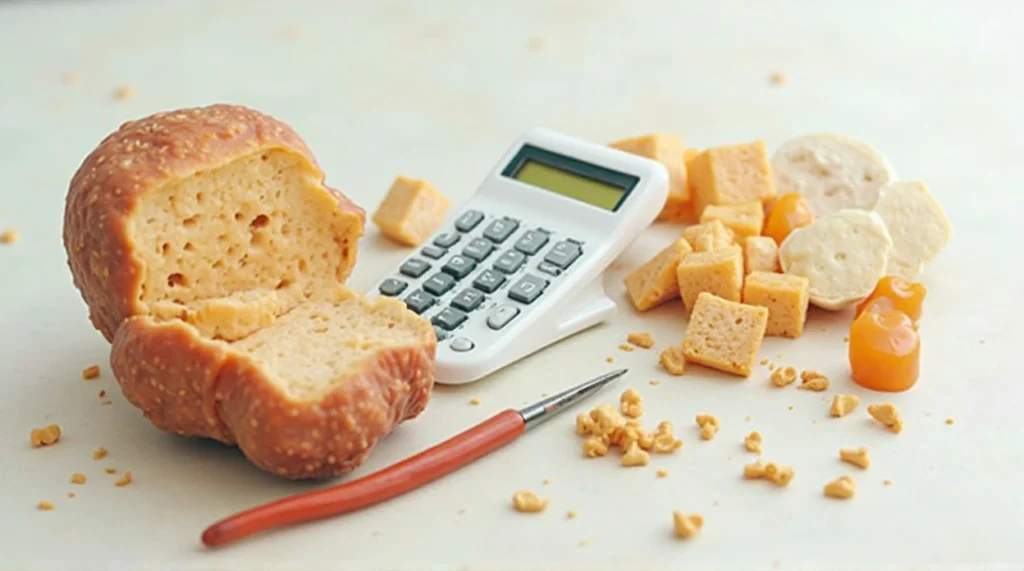
Monitoring cholesterol regularly helps detect cardiovascular risk early. Even small lifestyle improvements—such as better diet and daily exercise—can significantly lower LDL levels and protect long-term heart health.
2. Understanding LDL Cholesterol
Low-density lipoprotein (LDL) transports cholesterol through the bloodstream. When LDL levels become high, cholesterol can accumulate inside artery walls. Consequently, this buildup may narrow arteries and restrict blood flow.
Doctors often evaluate LDL as a primary marker for cardiovascular risk. In addition, they combine it with HDL and triglyceride values to create a complete lipid profile.
Key LDL ranges often used by health professionals include:
Optimal : < 100 mg/dL
Near Optimal : 100–129 mg/dL
Borderline High : 130–159 mg/dL
High : 160-189 mg/dL
Very High : 190 mg/dL or above
Therefore, checking LDL regularly using an LDL Calculator helps identify whether your cholesterol remains within a healthy range.
3. History of LDL Calculator
4. How an LDL Calculator Works
A LDL Calculator estimates LDL cholesterol from values in a lipid panel test. These typically include total cholesterol, HDL cholesterol, and triglycerides. The most common method uses the Friedewald equation:
LDL = Total Cholesterol – HDL – (Triglycerides ÷ 5)
Because this calculation happens instantly in a digital tool, a LDL Calculator saves time and reduces manual errors. Moreover, the tool allows individuals to track cholesterol trends over time. Regular monitoring with an LDL Calculator can highlight lifestyle improvements or identify the need for medical advice.
5. LDL Cholesterol Calculator Online
An LDL Cholesterol Calculator Online offers the convenience of checking cholesterol levels anytime. Instead of performing manual calculations, users simply enter their lab results into the tool. Benefits include:
Furthermore, many online calculators display health guidance alongside results. Therefore, individuals can quickly understand whether their LDL falls within recommended limits.
6. Calculate LDL from Lipid Panel
A standard lipid panel includes several measurements that help doctors evaluate heart health. These include:
Total Cholesterol
HDL Cholesterol
Triglycerides
LDL Cholesterol
When lab reports do not directly show LDL values, you can Calculate LDL from Lipid Panel results using a digital calculator. Consequently, the process becomes simple and accessible for everyone. Moreover, reviewing lipid panel values together helps identify patterns in cholesterol balance. For example, high triglycerides combined with high LDL often indicate increased cardiovascular risk.
7. Bad Cholesterol Level Calculator
A Bad Cholesterol Level Calculator helps users understand whether their LDL value falls into a safe or risky category. This tool is especially useful for people who:
Recently received blood test results
Want to monitor heart health regularly
Are managing cholesterol through lifestyle changes
Need quick insights before consulting a doctor
Because LDL directly influences artery health, tracking it with a LDL Calculator provides valuable insight into long-term cardiovascular wellness.
8. LDL Calculation Formula Tool
An LDL Calculation Formula Tool uses established medical formulas to estimate LDL levels accurately. The most common formulas include:
Friedewald formula
Martin-Hopkins equation
Sampson equation
These formulas consider lipid profile values to produce reliable LDL estimates. As a result, modern digital calculators apply them automatically.
Using a LDL Calculator that integrates these formulas improves accuracy and simplifies health tracking.
9. Martin Hopkins LDL Calculator
The Martin Hopkins LDL Calculator is a newer method designed to improve LDL accuracy, especially for people with low LDL or high triglyceride levels. Researchers developed this formula to adjust triglyceride ratios more precisely. Consequently, it often provides more accurate results than traditional formulas.
Healthcare professionals increasingly recommend this approach when interpreting lipid panel data.
10. Latest Research on LDL and Heart Health
Recent research published in the Journal of the American College of Cardiology highlights the importance of accurately measuring LDL cholesterol for cardiovascular risk prevention. The study found that improved LDL estimation methods, such as the Martin-Hopkins equation, can enhance risk prediction and treatment decisions.
Accurate LDL evaluation helps clinicians personalize treatments and prevent heart disease more effectively.
11. Monitoring and Assessing LDL Levels
Monitoring cholesterol regularly allows individuals to understand trends in their cardiovascular health. However, cholesterol levels may change due to diet, exercise, genetics, or medication.
Health experts recommend checking lipid profiles at least every 4–6 years for healthy adults. People with risk factors may require more frequent testing.
Tracking results with a LDL Calculator helps visualize improvements over time.
An LDL Calculator provides estimated values based on formulas and should not replace professional medical diagnosis. Always consult a qualified healthcare provider if cholesterol results appear abnormal or if you experience symptoms related to heart disease.
Try More Calculators
12. Heart Health Action Points
Eat fiber-rich foods, fruits, vegetables, and whole grains to reduce LDL cholesterol naturally.
Physical activity increases HDL cholesterol and helps balance LDL levels effectively.
Regular cholesterol tests combined with a **LDL Calculator** help track long-term heart health progress.
13. LDL Cholesterol Monitoring Steps
14. Tips to Lower LDL Naturally
Many lifestyle changes can help maintain healthy cholesterol levels. Helpful strategies include:
- Eat more soluble fiber such as oats and beans
- Reduce saturated and trans fats
- Maintain a healthy body weight
- Exercise at least 150 minutes per week
- Avoid smoking and excessive alcohol
Consequently, consistent healthy habits can significantly reduce LDL levels and improve heart health.
“Knowing your cholesterol numbers empowers smarter health decisions. Simple monitoring tools combined with lifestyle improvements can dramatically reduce cardiovascular risk and support long-term heart wellness.”
15. The Bottom Line
Understanding cholesterol numbers plays a critical role in protecting cardiovascular health. A reliable LDL Calculator simplifies the process of estimating LDL levels from routine lipid panel results.
By checking values regularly and adopting healthier habits, individuals can manage cholesterol more effectively. Therefore, using a LDL Calculator alongside medical guidance helps maintain a healthy heart and prevent long-term complications.
Frequently Asked Questions


Benefits of Garlic: Fight Cancer & Boost Health
Benefits of Garlic: Fight Cancer & Boost Health 1. Introduction The Benefits of Garlic have…

How Physical Activity Helps Reduce LDL Cholesterol Naturally
How Physical Activity Helps Reduce LDL Cholesterol Naturally High LDL cholesterol silently damages your arteries…
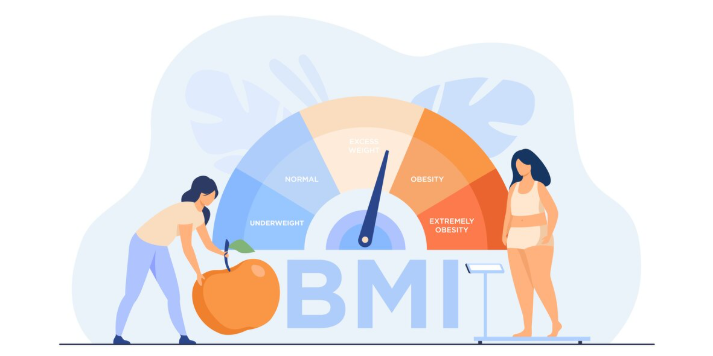
5 Simple ways to Know You are Overweight to Act Early
5 medically accepted ways to know if you are overweight Determining whether you are overweight…
Medical Disclaimer: The Website does not provide medical, clinical, or healthcare advise services. The content should not be relied upon as medical advice. Always seek the guidance of a qualified physician, healthcare provider, or medical professional with any questions you may have regarding a medical condition, treatment, or health decision. Never disregard professional medical advice or delay seeking it because of information found on this Website.
For Nutrition related info Click here