
How Physical Activity Helps Reduce LDL Cholesterol Naturally

High LDL cholesterol silently damages your arteries without warning. However, the good news is that simple daily exercise like walking or swimming can naturally reverse this risk.

- How Physical Activity Helps Reduce LDL Cholesterol Naturally
- 1. What is Physical Activity?
- 2. What is LDL Cholesterol and Why It Matters?
- 3. How Physical Activity Reduces LDL Cholesterol
- 4. Best Types of Exercise for Cholesterol Control
- 5. Walking, Jogging, and Swimming: Simple Yet Powerful
- 6. Weekly Plan to Reduce LDL Cholesterol
- 7. Scientific Evidence Supporting Physical Activity
- 8. Monitoring Your Progress
- 9. Lifestyle Tips to Enhance Results
- 10. LDL Reduction by Activity Type
- 11. Common Mistakes to Avoid
- 12. Long-Term Benefits of Physical Activity
- 13. The Bottom Line
- 14. References
- Frequently Asked Questions (FAQ)
1. What is Physical Activity?
Maintaining healthy cholesterol levels is essential for heart health, and Physical Activity plays a key role in achieving this naturally. Whether it’s exercise, walking, jogging, stretching, or swimming, regular movement helps lower harmful LDL cholesterol while boosting good HDL cholesterol. In today’s sedentary lifestyle, adding even moderate daily movement can significantly reduce cardiovascular risks.
This guide explains how consistent routines improve lipid profiles, support metabolism, and enhance overall well-being—making it easier for you to take control of your health without relying solely on medication.
Regular movement not only lowers LDL cholesterol but also improves blood circulation and insulin sensitivity. Therefore, combining aerobic exercise with daily habits like walking or stretching can deliver faster, sustainable heart health benefits over time.
2. What is LDL Cholesterol and Why It Matters?
LDL (Low-Density Lipoprotein) is often called “bad cholesterol.” It builds up in artery walls and increases the risk of heart disease and stroke.
High LDL levels may lead to:
- Narrowed arteries (atherosclerosis)
- Reduced blood flow
- Increased risk of heart attacks
However, lifestyle changes can reverse these effects. Among them, Physical Activity is one of the most effective and natural solutions.
3. How Physical Activity Reduces LDL Cholesterol
1. Boosts Fat Metabolism
Regular Physical Activity helps your body use stored fat as energy. As a result, LDL levels decrease over time.
2. Increases HDL Cholesterol
Exercise raises “good cholesterol,” which removes LDL from the bloodstream.
3. Improves Blood Circulation
Better circulation ensures efficient lipid transport and reduces plaque formation.
4. Supports Weight Management
Excess weight is directly linked to high LDL levels. Therefore, consistent movement helps maintain a healthy body weight.
For More Insight on Health risk , you may read our Health risk guide.
4. Best Types of Exercise for Cholesterol Control
Walking, jogging, and swimming improve heart rate and burn calories effectively.
Recommended: 30 minutes daily.
Enhances muscle function and reduces injury risk.
Best combined with aerobic routines.
Builds muscle mass and improves metabolism.
Perform 2–3 times weekly.
5. Walking, Jogging, and Swimming: Simple Yet Powerful
Walking is the easiest form of Physical Activity. It requires no equipment and suits all fitness levels.
Jogging burns more calories than walking and improves cardiovascular endurance.
Swimming is a full-body workout. It is especially beneficial for people with joint issues.
A 45-year-old patient with high LDL reduced levels by 12% in 3 months by walking 45 minutes daily and improving diet. No medication was required initially.
6. Weekly Plan to Reduce LDL Cholesterol
This structured plan ensures consistency and gradual improvement.
7. Scientific Evidence Supporting Physical Activity
Recent research published in the Journal of the American Heart Association highlights that regular aerobic exercise can reduce LDL cholesterol by 5–10% while increasing HDL levels. Another study from the World Health Organization (WHO) confirms that at least 150 minutes of moderate exercise weekly significantly lowers cardiovascular risk. These findings emphasize that Physical Activity is a clinically proven strategy for cholesterol management.
8. Monitoring Your Progress
Tracking progress is essential for long-term success.
You should monitor:
- Cholesterol levels (every 3–6 months)
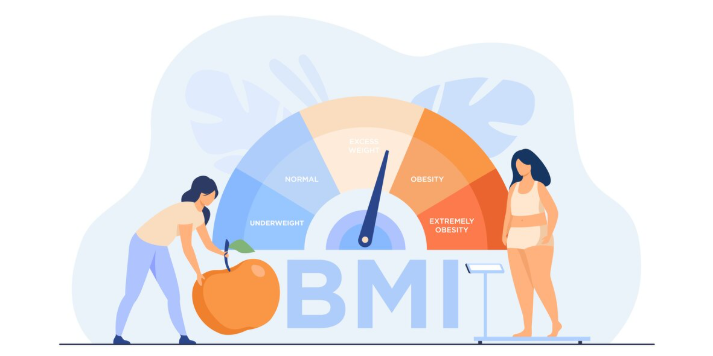
- Body weight and BMI
- Daily step count
In addition, maintaining a fitness journal helps identify patterns and improvements.
Always consult a healthcare professional before starting a new exercise routine, especially if you have heart disease, diabetes, or high blood pressure. Overexertion without guidance may increase health risks instead of improving cholesterol levels.
9. Lifestyle Tips to Enhance Results
To maximize benefits of Physical Activity, combine it with healthy habits:
- Eat fiber-rich foods (oats, fruits, vegetables)
- Reduce saturated fats
- Stay hydrated
- Avoid smoking
- Manage stress through meditation
Moreover, consistency is more important than intensity. Small daily efforts lead to long-term success.
10. LDL Reduction by Activity Type
This graph illustrates how different activities impact LDL reduction, with jogging and swimming showing higher effectiveness.
11. Common Mistakes to Avoid
In last 10 years Consultation Practice i have seen people making mistakes, While engaging in Physical Activity, avoid these mistakes:
- Skipping warm-up or cool-down
- Inconsistent routines
- Overtraining without rest
- Ignoring diet
Therefore, balance and discipline are crucial.
12. Long-Term Benefits of Physical Activity
Regular Physical Activity offers more than just cholesterol control:
- Improved heart health
- Better mental well-being
- Enhanced immunity
- Increased lifespan
In addition, it reduces the risk of chronic diseases such as diabetes and hypertension.
“Consistent movement is medicine for the heart. Even moderate daily exercise like walking or swimming can significantly lower LDL cholesterol and improve overall cardiovascular health without the need for aggressive medical intervention.”
13. The Bottom Line
Reducing LDL cholesterol naturally is achievable through consistent lifestyle changes. Physical Activity remains one of the most effective and accessible methods to improve heart health. By incorporating exercise, walking, jogging, stretching, and swimming into your routine, you can significantly lower health risks and enhance your quality of life.
Start small, stay consistent, and make movement a daily habit. Over time, these simple actions will lead to lasting cardiovascular benefits and a healthier future.
Start today: Even 30 minutes of walking can begin transforming your cholesterol levels naturally.
14. References
- Journal of the American Heart Association – Exercise and Cholesterol Study
- World Health Organization (WHO) – Physical Activity Guidelines
- American Heart Association – Cholesterol Management
- Mayo Clinic – Exercise and Heart Health
Frequently Asked Questions (FAQ)

Benefits of Garlic: Fight Cancer & Boost Health
Benefits of Garlic: Fight Cancer & Boost Health 1. Introduction The Benefits of Garlic have…
5 Simple ways to Know You are Overweight to Act Early
5 medically accepted ways to know if you are overweight Determining whether you are overweight…
Cholesterol and Heart Health: 5 Symptoms You Shouldn’t Ignore
Cholesterol and Heart Health: 5 Symptoms You Shouldn’t Ignore 1. Introduction Cholesterol and Heart Health…
Medical Disclaimer: The Website does not provide medical, clinical, or healthcare advise services. The content should not be relied upon as medical advice. Always seek the guidance of a qualified physician, healthcare provider, or medical professional with any questions you may have regarding a medical condition, treatment, or health decision. Never disregard professional medical advice or delay seeking it because of information found on this Website.