
AED in Action: How Early Defibrillation Saves Lives
Introduction
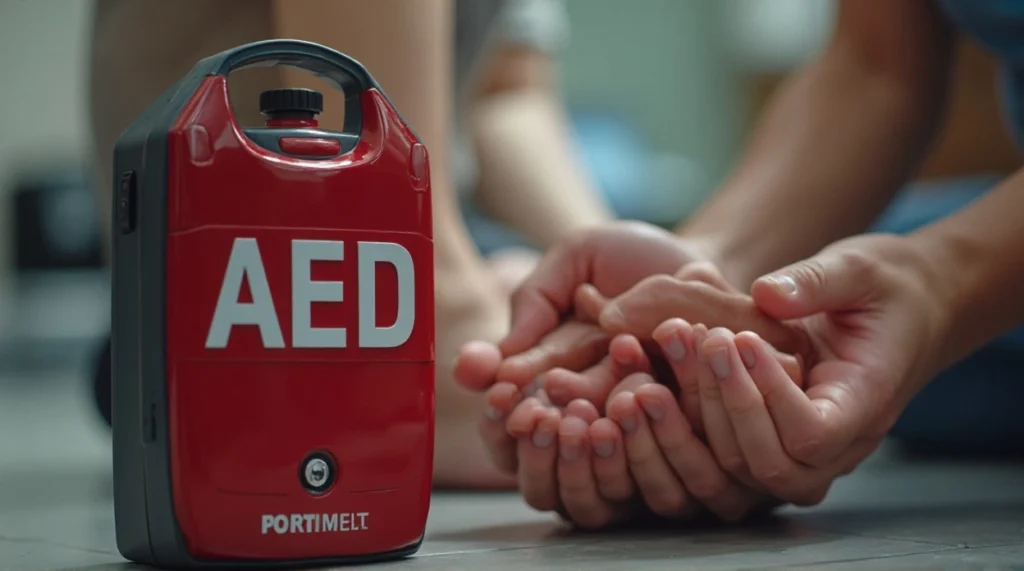
An AED plays a critical role in those first moments by restoring a normal rhythm before professional help arrives.
Sudden cardiac emergencies can strike anyone, anywhere, and without warning.
Therefore, understanding how early defibrillation works can truly make the difference between life and loss.
- AED in Action: How Early Defibrillation Saves Lives
Why AED Use Matters in the First Few Minutes
AED is Vital, When a person collapses because every second counts.
- It is designed to guide bystanders with clear voice prompts and simple steps.
- Moreover, this device analyzes the situation quickly and delivers a shock only when needed.
- In addition, using an AED early dramatically improves survival rates.
- However, delays can reduce the chance of recovery with each passing minute.
Early response education builds confidence and awareness across communities. Clear guidance, visible equipment, and shared responsibility encourage quick action. These factors work together to improve survival outcomes and reduce fear during sudden medical emergencies.
For example, immediate action empowers ordinary people to become lifesavers.
How Early Defibrillation Supports Emergency Response
Early defibrillation stabilizes electrical activity and supports circulation until medical teams arrive.
Never delay emergency services while responding. Always call local emergency numbers first, then act if safe to do so. Proper awareness ensures help is effective without putting responders or victims at additional risk.
A portable Defibrillator is built for public access, which means minimal training is required.
Therefore, quick thinking and confidence matter more than medical expertise.
Moreover, early intervention helps maintain oxygen flow to the Heart, reducing the risk of long-term damage.
Also good Diet and excercise helps keep the heart healthy
For this reason, public awareness campaigns focus heavily on rapid response and accessibility.
Public Access of AED and Community Readiness
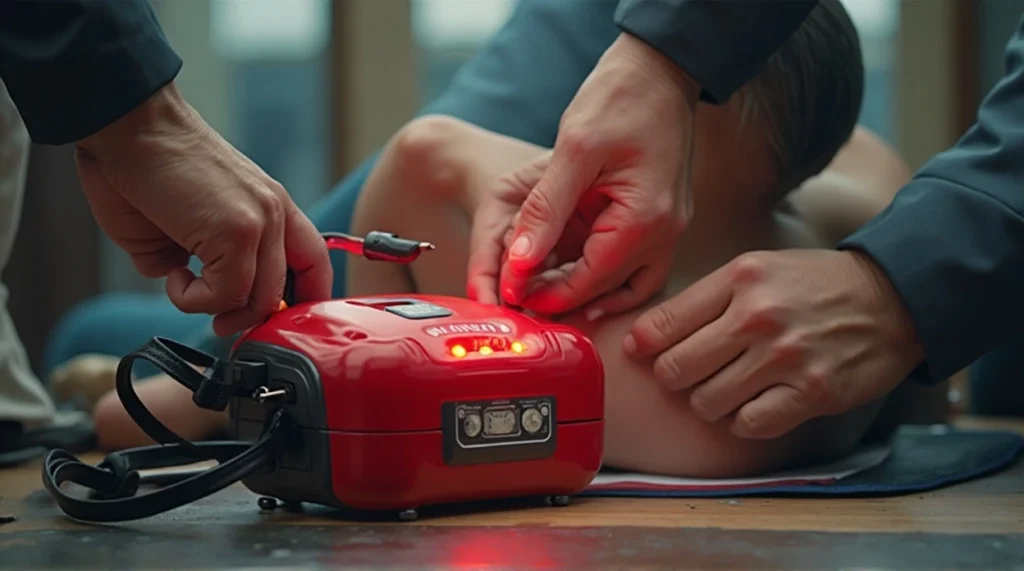
Communities that invest in emergency readiness see better outcomes.
It is placed in airports, malls, schools, and offices ensures help is always nearby.
In addition, regular drills and visible signage increase bystander confidence.
Furthermore, a well-maintained AED with fresh batteries and pads is essential.
Organizations should schedule routine checks and encourage staff training sessions.
AED Training, Confidence, and Real-Life Impact
Prepared people save lives. Awareness, courage, and timely action transform ordinary moments into extraordinary second chances.
Training programs emphasize calm decision-making and fast action.
An AED provides step-by-step guidance, which reduces fear during high-stress moments.
As a result, more people are willing to step in and help.
Another benefit involves reducing strain on emergency services.
Early action improves stability before transport, while a modern Defibrillator supports safe and effective shock delivery when required.
Technology Advancements and Accessibility
Modern designs focus on portability and ease of use.
An Automated External Defibrillator now includes visual prompts, child-safe modes, and automatic rhythm analysis.
Therefore, technology continues to lower barriers to action.
In addition, improved accessibility ensures devices are available where crowds gather.
These innovations help protect the Heart during the most vulnerable moments.
The Bottom Line
Preparedness saves lives, and early action changes outcomes.
An AED empowers everyday people to respond confidently during emergencies.
Ultimately, communities that prioritize awareness, placement, and training create safer environments for everyone.