
9 Life-Saving Burn Management Tips Every Caregiver Must Know
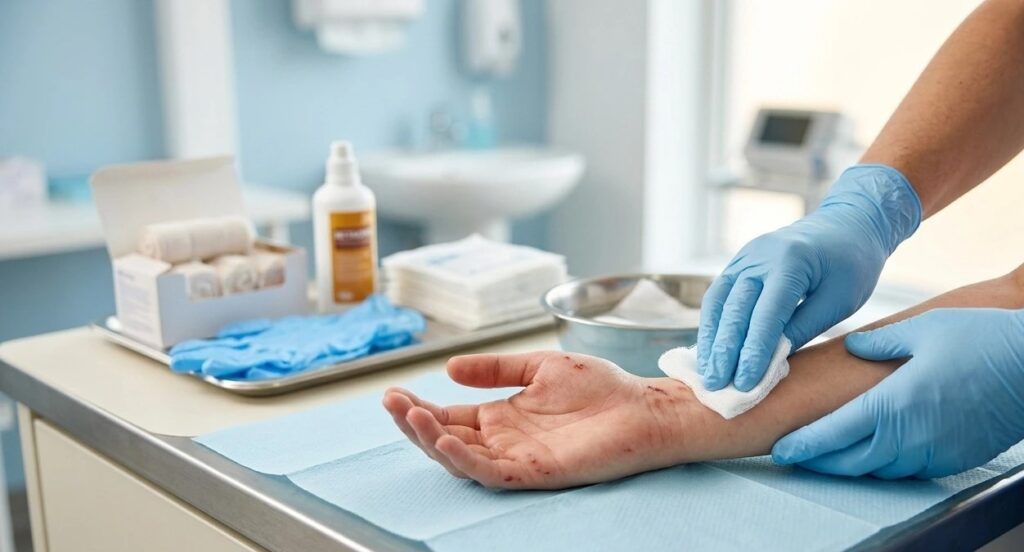
- 9 Life-Saving Burn Management Tips Every Caregiver Must Know
- 1. Introduction to Burn Management
- 2. Understanding Burn Injuries and Their Impact
- 3. List of the 9 Tips
- 4. Burn Management Process
- 5. Materials Used in Burn Management
- 6. Key Burn Care Essentials
- 7. Advanced Burn Recovery Factors
- 8. Burn Severity vs Recovery Time
- 9. Latest Research on Burn Treatment
- 10. The Bottom Line
- Frequently Asked Questions
1. Introduction to Burn Management
Burn injuries happen suddenly and can lead to serious complications if not treated correctly. Burn Management is a critical skill that every caregiver and healthcare worker should understand. Whether the burn is minor or severe, proper response can prevent infection and improve recovery.
In addition, early and accurate Burn Management helps minimize tissue damage and long-term scarring. This guide explains nine essential strategies that caregivers should know, using practical steps and clear explanations.
By understanding proper Burn Management, you can respond confidently during emergencies and help patients recover faster and safer.
Burn injuries can escalate quickly. Effective Burn Management requires immediate attention and proper monitoring. Acting within the first few minutes often determines the difference between a mild injury and a complicated medical condition.
2. Understanding Burn Injuries and Their Impact
Burns damage skin tissues and sometimes deeper structures such as muscles and nerves. They often occur due to heat, electricity, chemicals, or radiation. However, the severity varies depending on exposure time, temperature and the affected body area.
Healthcare professionals classify burns into three levels:
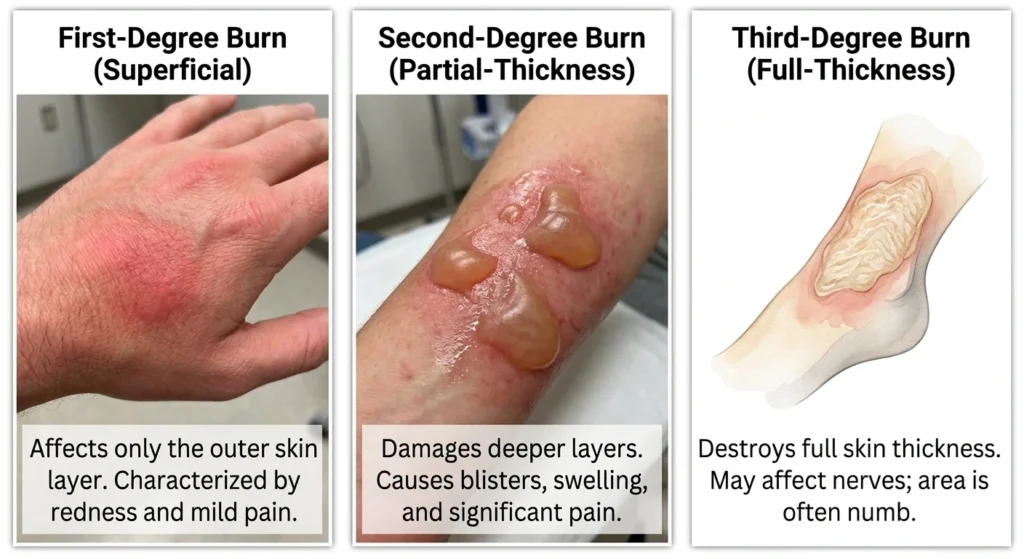
Early Burn Management helps control inflammation and prevents complications such as infection or dehydration.
3. List of the 9 Tips
Here are the 9 important tips to follow for better Burn Care.
1: Immediate Cooling and First Response in Burn Management
First Aid in Burn Management
The first step in Burn Management is quick cooling. Immediate care reduces tissue damage and lowers pain levels. Follow these steps mentioned below:
- Remove the person from the heat source.
- Cool the burn under running cool water for 10–20 minutes.
- Remove tight clothing or jewelry near the burn.
- Cover the burn loosely with a sterile dressing.
Avoid applying ice directly. Extreme cold may worsen tissue injury.
2: Accurate Evaluation of Burn Size in Burn Management
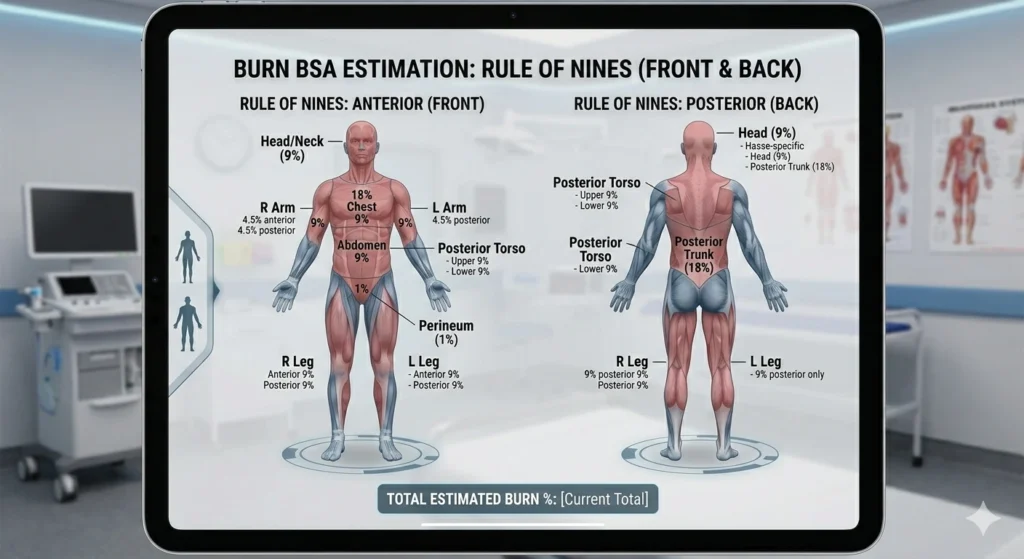
Doctors estimate the burned surface area using Total Body Surface Area (TBSA). This measurement helps determine treatment strategies in Burn Management. For example, the Rule of Nines divides the body into sections:
- Head and neck – 9%
- Each arm – 9%
- Each leg – 18%
- Chest and abdomen – 18%
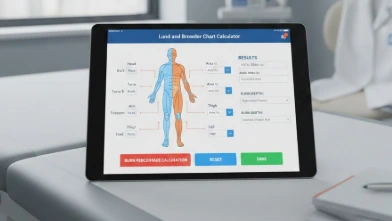
Larger burns increase the risk of shock and fluid loss. Therefore, accurate evaluation helps healthcare teams act quickly. 2 Most Popular Burn Size calculators are mentioned below:
3: Early Fluid Resuscitation in Burn Management
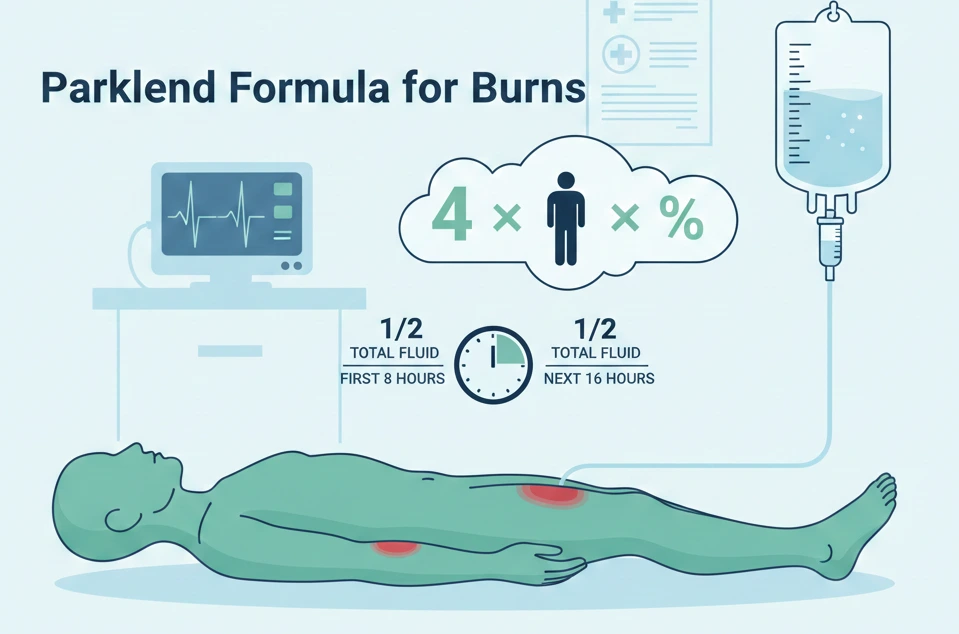
Severe burns cause massive fluid loss. Clinicians often use the Parkland Formula during Burn Management to calculate fluid replacement by Formula give here.
4 ml × body weight (kg) × TBSA%
Half of the fluid is given during the first 8 hours, while the remaining amount is provided over the next 16 hours.
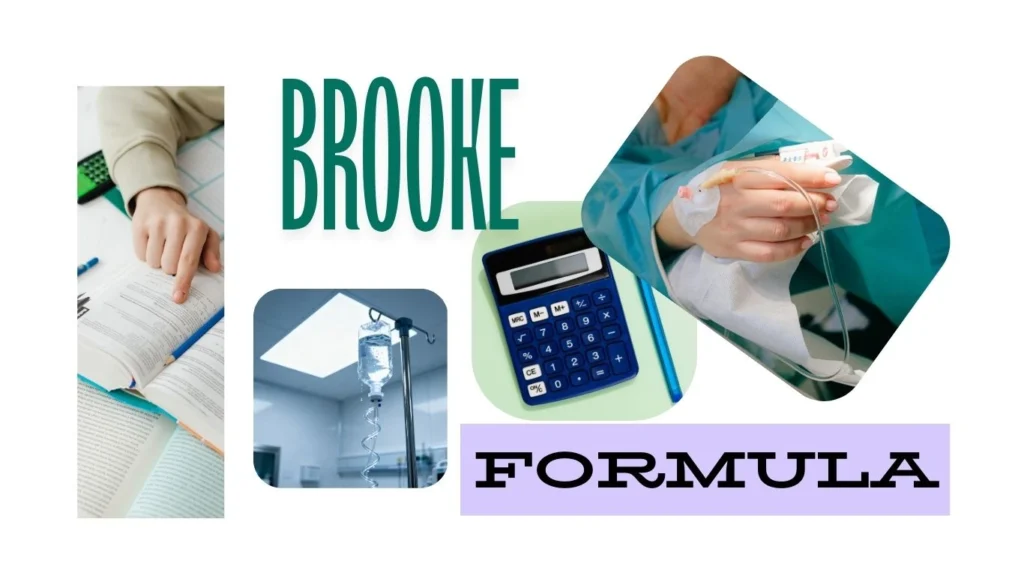
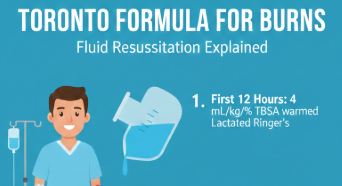
Proper hydration stabilizes circulation and prevents burn shock. Burn Fluid Calculators are given below to explore more.

4: Infection Prevention in Burn Management
Open burn wounds easily become infected. Effective wound care plays a vital role in successful Burn Management. Caregivers should:
In addition, maintaining hygiene around the injured area significantly reduces infection risk.
5: Support Natural Recovery in Burn Management
The body naturally repairs damaged tissue through a complex process known as burn healing. However, supportive care speeds recovery. Some helpful practices are enumerated below;
Furthermore, vitamins such as Vitamin C and zinc help tissue regeneration.
6: Assessing Burn Severity
Healthcare professionals often use the Abbreviated Burn Severity Index (ABSI) to predict outcomes during Burn Management.
The ABSI score considers Age, Burn depth, TBSA percentage, Presence of inhalational injury and Gender.
Higher scores indicate increased risk of complications. Consequently, clinicians can prioritize treatment and monitoring.
7: Monitor Vital Signs and Complications
Observation is a key part of Burn Management. Caregivers must monitor several warning signs after a burn injury.
Important indicators include:
Monitoring helps detect complications early and ensures proper medical intervention.
Burn injuries may appear minor at first but worsen over time. Always seek medical help if the burn covers a large area, affects the face or joints, or shows signs of infection or breathing problems.
8: Pain Control and Emotional Support
Pain management is essential in Burn Management because burns can cause severe discomfort & psychological stress..
Prescribed Pain Medication
Administer medications exactly as prescribed to control pain and support recovery. Monitor patient comfort, watch for side effects, and ensure timely doses for effective relief.
Gentle Wound Dressing Changes
Carefully clean and replace dressings using sterile techniques. Gentle handling protects sensitive tissue, reduces infection risk, and supports proper healing and comfort.
Emotional Reassurance
Offer supportive words and compassionate presence. Reassurance helps patients feel safe, understood, and confident during recovery, reducing stress and encouraging emotional well-being.
Calm Communication
Speak slowly, clearly, and respectfully. Calm communication helps patients understand instructions, builds trust, and creates a peaceful environment that supports healing.
Children and elderly patients especially benefit from compassionate caregiving during recovery..
9: Long-Term Rehabilitation and Scar Care
Recovery does not end after initial treatment. Long-term Burn Management includes rehabilitation and scar prevention.
Caregivers should focus on steps improve skin elasticity and restore normal movement.:
- Physical therapy exercises
- Pressure garments for scars
- Moisturizing creams
- Sun protection
4. Burn Management Process
Burn Injury Occurs
Skin damaged by heat.
Immediate Cooling
Cool with water 10–20 minutes.
Burn Assessment
Check burn depth and size.
Fluid Support
IV fluids for severe burns.
Wound Cleaning
Clean and apply dressings.
Pain Monitoring
Control pain and observe.
Rehabilitation
Therapy reduces scars.
5. Materials Used in Burn Management
Protective Materials
- Sterile gloves
- Face masks
- Protective gowns
- Hand sanitizer
Cleaning Materials
- Sterile saline solution
- Clean water
- Antiseptic solutions
- Sterile gauze & cotton
Dressing & Medication
- Non-adhesive burn dressings
- Bandages & adhesive tape
- Topical antibiotics (e.g., silver sulfadiazine)
- Pain relief medications
Support & Monitoring Equipment
- IV fluids & cannula
- Syringes & needles
- Blood pressure monitor
- Thermometer & pulse oximeter
6. Key Burn Care Essentials
Cooling the burn quickly reduces tissue damage and limits inflammation.
Clean dressings and sterile wound care significantly reduce infection risk.
Severe burns require fluid replacement to prevent shock.
7. Advanced Burn Recovery Factors
High-protein diets help skin repair and tissue growth.
Exercises maintain joint movement and reduce stiffness.
Pressure garments and moisturizers minimize scarring.
8. Burn Severity vs Recovery Time
9. Latest Research on Burn Treatment
Recent research published in the Journal of Burn Care & Research highlights that early fluid resuscitation and infection control significantly improve survival in severe burn patients. According to the study, structured Burn Management protocols reduce complications and hospital stay duration. The research emphasizes early assessment and multidisciplinary care for better outcomes.
“Proper burn care during the first hour after injury can dramatically reduce complications and accelerate recovery hereby improving survival.”
10. The Bottom Line
Burn injuries demand quick thinking and informed action. Effective Burn Management involves cooling the injury, assessing severity, preventing infection and supporting long-term recovery. Caregivers play a vital role in every stage of treatment, from immediate response to rehabilitation.
By applying the nine strategies explained in this guide, caregivers can significantly improve patient outcomes. Most importantly, understanding the basics of Burn Management empowers families and healthcare providers to respond confidently when accidents occur. With the right knowledge and timely care, burn victims can heal faster and regain their quality of life.
Frequently Asked Questions
1. What is burn management?
Burn management refers to the medical care and treatment given after a burn injury. It includes first aid, pain control, wound cleaning, infection prevention, and monitoring healing. The goal is to reduce complications, support skin recovery, and help the patient regain normal function through proper treatment and rehabilitation.
2. What should be done immediately after a burn?
The burned area should be cooled with clean running water for about 10–20 minutes to reduce heat damage. Remove tight clothing or jewelry near the injury. Cover the burn with a sterile dressing or clean cloth. Avoid applying ice, oils, or home remedies that may irritate the skin.
3. How are burns classified?
Burns are generally classified into first, second, and third-degree injuries depending on the depth of skin damage. First-degree burns affect the outer skin layer, second-degree burns cause blisters and deeper damage, while third-degree burns destroy multiple layers of tissue and often require specialized medical treatment.
4. When should medical help be sought?
Medical help should be sought for burns that are large, deep, or located on sensitive areas such as the face, hands, feet, or genitals. Electrical or chemical burns also require immediate medical care. Signs of infection, severe pain, or delayed healing should also be evaluated by professionals.
5. How is pain controlled in burn patients?
Pain is managed using prescribed medications such as analgesics or anti-inflammatory drugs. Doctors may also use special dressings and gentle wound care techniques to minimize discomfort. Proper pain management helps patients tolerate treatment procedures and supports both physical recovery and emotional wellbeing.
6. Why is fluid replacement important in severe burns?
Severe burns cause significant fluid loss through damaged skin and inflammation. Fluid replacement, usually through intravenous therapy, helps maintain blood pressure, circulation, and organ function. Proper hydration prevents complications such as shock and ensures that the body can continue healing effectively.
7. How can infection be prevented in burn wounds?
Preventing infection is essential because damaged skin cannot protect the body from bacteria. Regular wound cleaning, sterile dressings, and sometimes antibiotic treatment are used to reduce infection risk. Maintaining good hygiene and monitoring for redness, swelling, or discharge helps ensure safe healing.
8. What is the role of rehabilitation after burns?
Rehabilitation helps patients recover strength, flexibility, and mobility after burn injuries. Physical therapy, skin care, and scar prevention techniques reduce stiffness and improve movement. Emotional support and counseling may also be provided to help individuals adjust and return to daily activities with confidence.

Top 10 Hidden Health Risks You Shouldn’t Ignore in 2026 (Early Signs & Prevention Guide)
Top 10 Hidden Health Risks You Shouldn’t Ignore in 2026 (Early Signs & Prevention Guide)…
Benefits of Garlic: May Fight Cancer & Boost Health
Benefits of Garlic: May Fight Cancer & Boost Health 1. Introduction “Garlic has been used…

How Physical Activity Helps Reduce LDL Cholesterol Naturally
How Physical Activity Helps Reduce LDL Cholesterol Naturally High LDL cholesterol silently damages your arteries…
Medical Disclaimer: The Website does not provide medical, clinical, or healthcare advise services. The content should not be relied upon as medical advice. Always seek the guidance of a qualified physician, healthcare provider, or medical professional with any questions you may have regarding a medical condition, treatment, or health decision. Never disregard professional medical advice or delay seeking it because of information found on this Website.