
Digital Hangover: How Screen Time Impacts Mental Health
- Digital Hangover: How Screen Time Impacts Mental Health
- 1. Introduction
- 2. What Is Digital Hangover?
- 3. The Link Between Screen Time and Mental Health
- 4. Effects of Excessive Screen Use on Daily Life
- 5. Social Media Anxiety and Emotional Well-Being
- 6. How Digital Detox Benefits the Mind
- 7. Finding Balance in a Digital World
- 8. The Bottom Line
- 9. References
- Frequently Asked Questions
1. Introduction
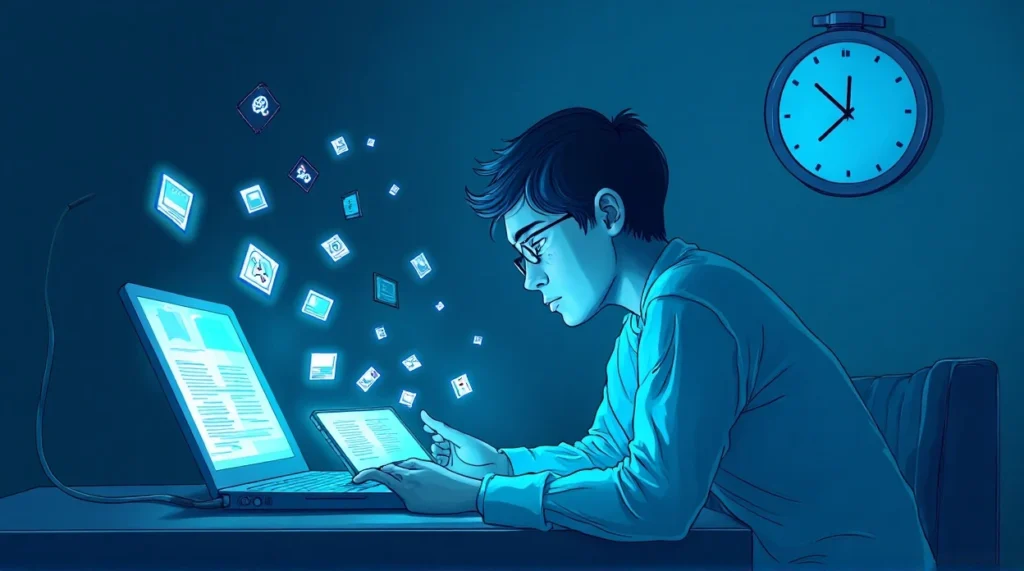
In today’s always-connected world, many people are experiencing something often called a Digital Hangover. It’s that tired, foggy, and emotionally drained feeling after spending too much time on screens. Whether it’s scrolling social media late at night or working long hours on a laptop, excessive screen exposure is quietly affecting how we think, feel, and function.
This article explores how screen habits influence the brain and emotional well-being. You’ll learn about the connection between screen time and mental health, the effects of excessive screen use, and why social media anxiety is becoming more common. We’ll also look at how simple lifestyle changes and digital detox benefits can help restore balance and improve mental clarity.
2. What Is Digital Hangover?
A Digital Hangover is not a medical diagnosis, but it describes a very real experience. It refers to the mental and physical fatigue that comes after prolonged screen use. Unlike a traditional hangover, this one doesn’t come from alcohol. Instead, it’s caused by overstimulation from digital devices such as smartphones, tablets, and computers. Common signs include:
- Mental exhaustion
- Difficulty focusing
- Headaches or eye strain
- Poor sleep quality
- Irritability or mood swings
According to research, excessive exposure to screens can overstimulate the brain and disrupt natural rhythms, especially sleep cycles.
This is why many people wake up feeling tired even after a full night in bed—because their minds never fully rested.
3. The Link Between Screen Time and Mental Health
The relationship between screen time and mental health is becoming a major topic of concern worldwide. Organizations like the WHO and CDC have highlighted how digital habits can influence emotional well-being.
Spending too much time on screens can affect the brain in several ways:
i). Sleep Disruption
Screens emit blue light, which interferes with melatonin production. This hormone controls sleep. When disrupted, it becomes harder to fall asleep and stay asleep. Poor sleep is strongly linked to anxiety, depression, and reduced cognitive performance.
ii). Reduced Attention Span
Constant notifications, scrolling, and switching between apps train the brain to seek quick rewards. Over time, this reduces the ability to focus on longer tasks.
iii). Emotional Overload
Digital platforms expose users to a constant stream of information. News, opinions, and content overload can overwhelm the brain, leading to stress and fatigue. Studies suggest that excessive digital exposure can increase the risk of anxiety and depressive symptoms, especially in younger users.
Recommended for You : The Stress assessment – Perceived Stress Scale
Excessive screen exposure gradually alters brain function, increasing stress and reducing focus. Balanced digital habits help preserve emotional stability, improve concentration, and support long-term mental health in a fast-paced digital environment.
4. Effects of Excessive Screen Use on Daily Life
The effects of excessive screen use go beyond just feeling tired. They impact multiple areas of life, including productivity, relationships, and physical health.
a. Mental Fatigue and Burnout
Too much screen time can make the brain feel constantly “on.” This leads to burnout, even if you’re not doing physically demanding work.
b. Social Disconnection
Ironically, while technology connects us online, it can reduce meaningful face-to-face interactions. This can lead to feelings of loneliness and isolation.
c. Physical Symptoms
- Eye strain
- Neck and back pain
- Headaches
These physical discomforts can worsen mental stress over time.
d. Reduced Productivity
Multitasking between apps, messages, and tabs can reduce efficiency. It creates a cycle where more time is spent working, but less is actually achieved.
WebMD reports that prolonged screen exposure is also associated with increased stress levels and reduced overall well-being.
5. Social Media Anxiety and Emotional Well-Being
One of the most significant outcomes of digital overuse is social media anxiety. Platforms designed for connection can sometimes create pressure, comparison, and self-doubt. Users often compare their lives to curated, idealized versions of others. This can lead to low self-esteem and dissatisfaction.
Seeing others’ activities can create anxiety about missing experiences. This keeps users glued to their screens. Likes, comments, and shares can become a source of emotional validation. When engagement is low, it may affect mood and confidence.
Endless scrolling exposes users to both positive and negative content. Negative news cycles can increase stress and anxiety levels.
Research referenced by CDC and mental health organizations shows that excessive social media use is linked to increased anxiety and depressive symptoms, particularly among teenagers and young adults.
6. How Digital Detox Benefits the Mind
Taking breaks from screens is not about avoiding technology completely. Instead, it’s about creating a healthier relationship with it. The digital detox benefits are noticeable even with small changes.
Reducing screen time before bed helps restore natural sleep cycles. This leads to better rest and improved mood.
Limiting distractions allows the brain to regain its ability to concentrate on tasks for longer periods.
Less exposure to overwhelming content can reduce stress and improve emotional balance.
Spending less time online often leads to more meaningful interactions in real life.
Simple ways to start a digital detox include:
Health experts from WHO and university studies suggest that even short breaks from screens can significantly improve mental clarity and reduce stress levels.
Burn Care Guide : Why Galveston is preferred in pediatric burns vs Parkland
7. Finding Balance in a Digital World
The goal is not to eliminate technology but to use it mindfully. A Digital Hangover is often a sign that your digital habits need adjustment.
Start by becoming aware of your usage patterns. Many smartphones now provide screen time reports that show how much time you spend on different apps. Ask yourself:
- Is my screen use helping or draining me?
- Do I feel better or worse after scrolling?
- Am I using technology intentionally or out of habit?
Small changes can make a big difference. For example, replacing late-night scrolling with reading or listening to music can improve both sleep and mood. Creating boundaries around technology use helps maintain mental clarity while still enjoying the benefits of digital tools.
Technology should serve the mind, not control it. When balance replaces overload, clarity returns, stress fades, and mental health naturally improves
8. The Bottom Line
A Digital Hangover is a modern challenge that reflects how deeply technology has entered our daily lives. While screens are essential for work, communication, and entertainment, too much exposure can negatively impact mental health.
Understanding the connection between screen time and mental health, recognizing the effects of excessive screen use, and addressing social media anxiety are important steps toward healthier habits. Embracing the digital detox benefits can help restore balance, improve focus, and enhance emotional well-being.
By making small, mindful changes, it’s possible to enjoy technology without letting it take a toll on your mental health.
9. References
Frequently Asked Questions


Top 10 Hidden Health Risks You Shouldn’t Ignore in 2026 (Early Signs & Prevention Guide)
Top 10 Hidden Health Risks You Shouldn’t Ignore in 2026 (Early Signs & Prevention Guide)…

Benefits of Garlic: May Fight Cancer & Boost Health
Benefits of Garlic: May Fight Cancer & Boost Health 1. Introduction “Garlic has been used…

How Physical Activity Helps Reduce LDL Cholesterol Naturally
How Physical Activity Helps Reduce LDL Cholesterol Naturally High LDL cholesterol silently damages your arteries…
Medical Disclaimer: The Website does not provide medical, clinical, or healthcare advise services. The content should not be relied upon as medical advice. Always seek the guidance of a qualified physician, healthcare provider, or medical professional with any questions you may have regarding a medical condition, treatment, or health decision. Never disregard professional medical advice or delay seeking it because of information found on this Website.