
5 Therapy Types That Help Meningitis survivors Heal Mentally

1. Introduction
Surviving meningitis changes more than your physical health—it affects your mental well-being too. This guide is for Meningitis survivors and their families who want to understand therapy options that address the emotional and psychological challenges after recovery.
Many survivors struggle with trauma from their medical experience, changes in thinking abilities, and strained relationships. The good news? Specific therapy types can help you heal mentally and rebuild your life after meningitis.
We’ll explore how cognitive behavioral therapy helps rewire your thought patterns after brain trauma and why EMDR therapy works so well for processing difficult hospital memories. You’ll also learn how support groups connect you with people who truly understand your journey, plus discover specialized approaches for cognitive recovery and family healing.
- 5 Therapy Types That Help Meningitis survivors Heal Mentally
- 1. Introduction
- 2. Therapy Types That Help them Heal Mentally
- 2.1 Cognitive Behavioral Therapy Rebuilds Thought Patterns After Brain Trauma
- 2.2 EMDR Therapy Processes Traumatic Hospital Experiences
- 2.3 Support Group Therapy Creates Connection with Fellow Survivors
- 2.4 Neuropsychological Therapy Addresses Cognitive Recovery Needs
- 2.5 Family Therapy Heals Relationships Strained by Crisis
- 3. The Bottom Line
- Frequently Asked Questions
2. Therapy Types That Help them Heal Mentally
2.1 Cognitive Behavioral Therapy Rebuilds Thought Patterns After Brain Trauma

Identifies and challenges negative thinking cycles common in Meningitis survivors
Meningitis survivors often find themselves trapped in destructive thought patterns that can significantly hinder their recovery journey. These mental loops typically include catastrophic thinking about their future, believing they’ll never fully recover, or constantly comparing their current abilities to their pre-illness state. A skilled CBT therapist helps survivors recognize these patterns by teaching them to pause and examine their thoughts objectively.
The process starts with identifying specific triggers that spark negative thinking. Maybe it’s forgetting a simple word during conversation or struggling to follow a movie plot. CBT teaches survivors to catch these moments and ask themselves: “Is this thought helpful or accurate?” Many discover their inner dialogue has become harshly critical, filled with assumptions about permanent damage or lost potential. CBT helps survivors reframe trauma-related thoughts (e.g., fear of relapse, hospital anxiety), which are commonly reported after meningitis.
Through structured exercises, survivors learn to challenge these thoughts with evidence-based reasoning. Instead of thinking “I’m completely broken,” they practice reframing it as “I’m still healing, and recovery takes time.” This shift doesn’t happen overnight, but with consistent practice, new neural pathways begin forming that support healthier thinking patterns.
Develops practical coping strategies for memory and concentration issues in Meningitis survivors
Memory lapses and concentration difficulties are among the most frustrating challenges Meningitis survivors face daily. CBT addresses these issues head-on by teaching concrete strategies that work around cognitive limitations rather than fighting against them. Survivors learn that their brains may process information differently now, and that’s okay.
Memory compensation techniques become essential tools in their recovery toolkit. These might include:
- External memory aids: Using smartphone apps, sticky notes, or digital calendars to track important information
- Chunking information: Breaking down complex tasks into smaller, manageable steps
- Repetition and rehearsal: Practicing important information multiple times to strengthen memory traces
- Environmental modifications: Creating organized spaces that reduce cognitive load
For concentration issues, CBT introduces the concept of attention management rather than attention improvement. Survivors discover their optimal focus times during the day and learn to schedule demanding tasks accordingly. They also practice mindfulness techniques that help redirect wandering attention back to the present moment without self-judgment.
Builds confidence through structured goal-setting and achievement tracking
Confidence often takes a major hit after surviving meningitis, especially when cognitive abilities feel unpredictable or diminished. CBT rebuilds this confidence systematically through carefully structured goal-setting that celebrates progress at every level. The key lies in creating achievable milestones that gradually increase in complexity.
The goal-setting process begins with identifying what matters most to the survivor. Maybe it’s returning to work, managing household tasks independently, or simply reading a book without losing focus. From there, therapists help break these larger objectives into micro-goals that feel manageable and specific.
Achievement tracking becomes a powerful confidence-building tool. Survivors keep detailed records of their daily wins, no matter how small they might seem. Reading three pages of a book, remembering to take medication without a reminder, or successfully following a recipe all count as victories worth celebrating.
This systematic approach helps survivors see patterns in their recovery that they might otherwise miss. They begin noticing that their “bad days” aren’t as frequent as they initially thought, and their capabilities are gradually expanding. Each documented success builds upon the last, creating a foundation of evidence that recovery is indeed happening.
Addresses anxiety and depression stemming from cognitive changes
The emotional impact of cognitive changes after meningitis can be devastating, often leading to significant anxiety and depression. Survivors frequently worry about their future capabilities, feel overwhelmed by daily tasks that once seemed simple, or experience grief over their perceived losses. CBT provides a structured approach to managing these complex emotions while adapting to their new reality.
Anxiety management techniques focus on breaking the cycle of worry that often accompanies cognitive uncertainty. Survivors learn breathing exercises, progressive muscle relaxation, and grounding techniques that help calm their nervous system when anxiety peaks. They also practice distinguishing between realistic concerns and anxiety-driven catastrophizing.
Depression often stems from a sense of lost identity or purpose. CBT helps survivors reconnect with their core values and find new ways to express them within their current abilities. This might involve adapting hobbies, finding alternative career paths, or discovering entirely new interests that align with their changed cognitive landscape.
The therapeutic relationship itself becomes a source of hope and validation. Having a professional who understands the unique challenges of post-meningitis recovery provides survivors with the emotional support they need to navigate this difficult transition period.
Recommended for You : Burn care guide
2.2 EMDR Therapy Processes Traumatic Hospital Experiences

Targets specific traumatic memories from intensive care and medical procedures
EMDR therapy works by having survivors focus on specific disturbing memories while engaging in bilateral stimulation, typically through guided eye movements. For Meningitis survivors, this means directly addressing the overwhelming experiences that occurred during their medical crisis. The ICU environment, with its constant beeping machines, bright lights, and endless medical procedures, creates a sensory overload that can become deeply embedded in memory.
During EMDR sessions, survivors might process memories of waking up confused and disoriented, feeling helpless during spinal taps, or experiencing terror when medical equipment surrounded them. The therapy doesn’t erase these memories but changes how the brain stores and responds to them. Many survivors find that memories of being unable to communicate due to sedation or feeling their body was no longer their own become particular targets for EMDR work.
The bilateral stimulation helps the brain reprocess these traumatic memories, moving them from the emotional center where they trigger fight-or-flight responses to areas where they can be stored as regular memories. This process allows survivors to remember their medical experience without being overwhelmed by the same intense emotions that accompanied the original trauma.
Reduces emotional intensity of flashbacks and medical anxiety in Meningitis survivors
Medical environments can become powerful triggers for Meningitis survivors, often causing intense anxiety or full panic attacks. The smell of disinfectant, the sound of medical equipment, or even seeing someone in scrubs can instantly transport survivors back to their darkest moments. EMDR therapy specifically addresses these triggered responses by reducing the emotional charge attached to medical-related stimuli.
Through targeted sessions, survivors learn to separate their current reality from past trauma. Someone who once couldn’t enter a hospital without experiencing severe anxiety may find they can attend routine medical appointments with manageable stress levels. The therapy works on both conscious memories and unconscious associations that the brain has formed with medical settings.
Nightmares and intrusive thoughts about medical procedures also decrease significantly with EMDR treatment. Survivors often report sleeping better and experiencing fewer sudden emotional reactions to unexpected medical situations. This reduction in hypervigilance allows them to engage more fully with necessary ongoing medical care without being constantly triggered by the environment that once threatened their life.
Helps Meningitis survivors regain sense of safety and control over their bodies
Meningitis strips away a person’s sense of bodily autonomy in profound ways. Survivors often describe feeling disconnected from their bodies or experiencing persistent anxiety about their physical safety. EMDR therapy addresses this fundamental loss of trust in one’s own body by helping survivors rebuild their internal sense of security and personal agency.
The therapy works on restoring the connection between mind and body that trauma disrupts. Through processing sessions, survivors can address feelings of vulnerability and powerlessness that developed during their illness. They learn to differentiate between past helplessness and present capabilities, gradually rebuilding confidence in their body’s ability to protect and heal itself.
Many survivors find that EMDR helps them reclaim ownership of their physical experience. Someone who felt like their body betrayed them during illness can work through these feelings and develop a more trusting relationship with their physical self. This renewed sense of bodily autonomy extends beyond medical settings, helping survivors feel more confident in daily activities and physical relationships with others.
2.3 Support Group Therapy Creates Connection with Fellow Survivors

Provides validation from others who understand the unique challenges
When you’ve survived meningitis, explaining your experience to friends and family can feel like speaking a foreign language. The fatigue that hits like a brick wall, the memory lapses that leave you searching for simple words, the anxiety that creeps in during routine medical appointments – these struggles often get met with well-meaning but hollow responses like “at least you’re alive” or “you look fine to me.”
Support groups change this dynamic completely. Here, when you mention the overwhelming fear that comes with every headache, heads nod in understanding. When you describe the frustration of forgetting your best friend’s name mid-conversation, others share similar stories without judgment. This validation goes beyond sympathy – it’s recognition from people who’ve walked the same difficult path.
Group members understand the invisible nature of brain injury recovery. They know that cognitive challenges don’t always show on the surface, and they recognize the emotional toll of appearing “normal” while struggling internally. This shared understanding creates a safe space where survivors can express their fears, frustrations, and setbacks without having to justify or explain their experience to people who haven’t lived it.
Offers practical tips and strategies from experienced Meningitis survivors
Support groups serve as treasure troves of practical wisdom gathered from real-world experience. While medical professionals provide clinical guidance, fellow survivors offer the street-smart strategies that actually work in daily life.
Members share specific techniques they’ve developed to manage cognitive challenges:
- Memory aids: Simple smartphone apps that work better than expensive cognitive training programs
- Energy management: How to pace activities to avoid the crushing fatigue that follows overexertion
- Communication strategies: Ways to explain brain fog to employers or teachers without triggering discrimination
- Medication management: Tips for dealing with side effects that doctors might not mention
These aren’t textbook solutions – they’re battle-tested approaches from people who’ve figured out how to rebuild their lives. A group member might share how they use voice memos to remember important conversations, or describe a specific way they’ve learned to recognize their cognitive limits before hitting the wall.
The beauty of peer advice lies in its authenticity. When someone who’s been there for three years tells you that the memory problems do get better but in unexpected ways, that carries weight that no medical pamphlet can match.
Reduces isolation and builds lasting supportive relationships
Meningitis recovery often comes with profound loneliness. Friends might drift away when you can’t keep up with social activities, family members might not understand why you need so much rest, and the version of yourself you knew before feels lost. Support groups break through this isolation by connecting you with people who genuinely get it.
These connections often evolve into genuine friendships that extend beyond group meetings. Members text each other during difficult days, celebrate small victories together, and create informal networks of support. They might grab coffee after sessions, attend medical appointments together, or simply check in during the rough patches that inevitably come with recovery.
The relationships formed in support groups tend to be remarkably honest and deep. When you’ve shared your darkest fears about never being the same again, superficial small talk becomes impossible. These friendships are built on a foundation of mutual understanding and shared resilience that creates unusually strong bonds.
Creates accountability for ongoing mental health goals
Recovery goals can feel overwhelming when you’re tackling them alone. Support groups provide gentle but consistent accountability that keeps members moving forward even when motivation flags. Group members check in with each other about therapy attendance, medication compliance, and self-care practices.
This accountability works because it comes from peers rather than authority figures. When a fellow survivor asks how your cognitive rehabilitation exercises are going, it doesn’t feel like judgment – it feels like genuine care from someone who understands the challenge. Members celebrate each other’s small victories and provide encouragement during setbacks without the clinical detachment that sometimes comes from professional relationships.
Groups often set collective challenges or goals, like committing to daily walks or practicing mindfulness techniques. The shared commitment creates positive peer pressure that helps members maintain healthy habits even when their individual motivation wavers.
Normalizes the emotional journey of Meningitis survivors recovery
Perhaps most importantly, support groups help normalize the complex emotional landscape of meningitis recovery. The guilt about being a burden on family members, the anger at a body that doesn’t work the same way, the grief for the person you were before – these feelings are universal among survivors but rarely discussed openly.
In group settings, these emotions lose their shame and secrecy. Members learn that questioning whether life is worth living during the darkest moments doesn’t make them ungrateful or weak. They discover that feeling angry about their limitations is normal, not selfish. The relief of learning that everyone struggles with identity questions during recovery can be transformative.
Support groups also help members understand that healing isn’t linear. Bad days don’t mean you’re not progressing, and setbacks don’t erase the gains you’ve made. This perspective, reinforced by seeing others navigate their own ups and downs, helps survivors develop realistic expectations and greater self-compassion throughout their recovery journey.
2.4 Neuropsychological Therapy Addresses Cognitive Recovery Needs
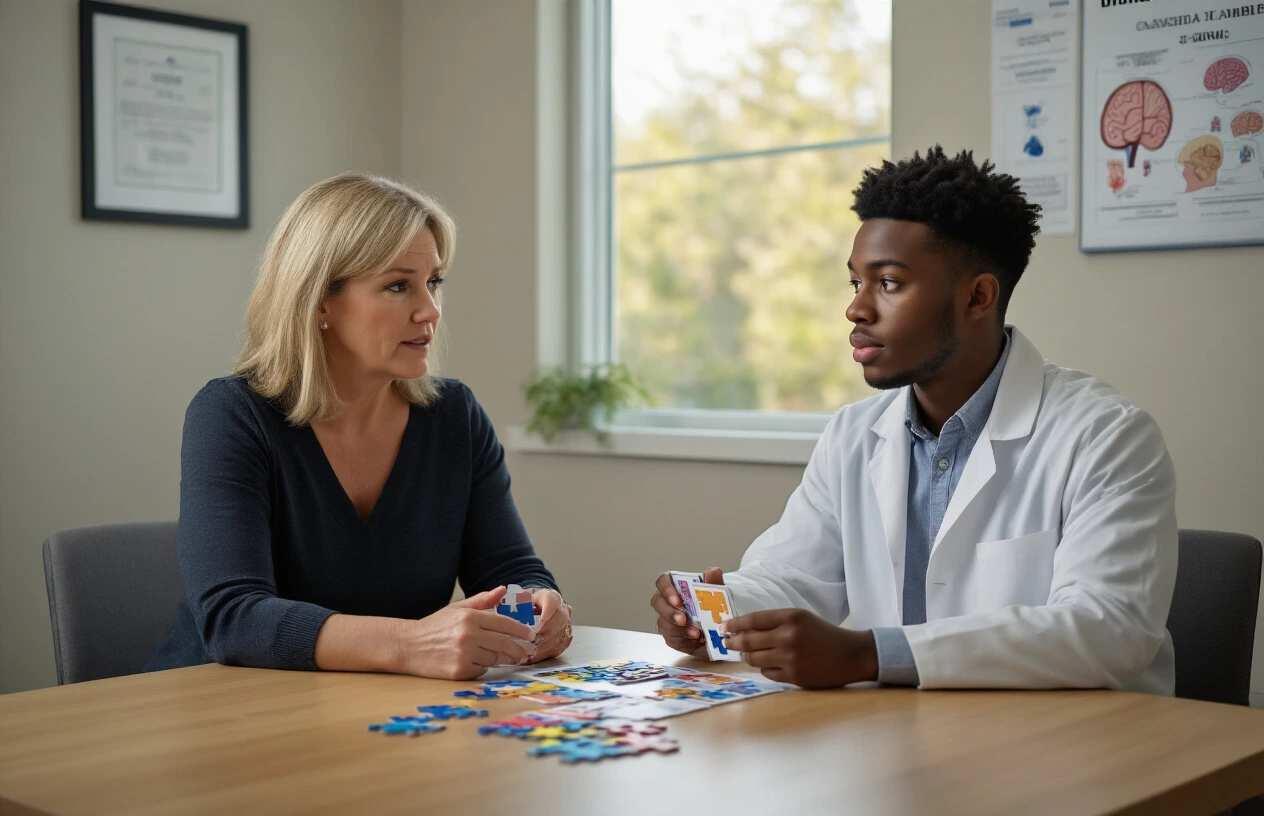
Assesses and strengthens specific areas of brain function affected by meningitis
Neuropsychological therapy starts with a comprehensive evaluation that maps exactly which cognitive functions meningitis has impacted. Brain inflammation from meningitis can affect different areas unpredictably – one person might struggle with processing speed while another faces challenges with working memory or executive functioning. These detailed assessments use specialized tests to pinpoint specific deficits in areas like attention, memory formation, language processing, and problem-solving abilities.
The testing process reveals patterns that might not be obvious in daily life. Someone might appear to function normally but actually work twice as hard to complete simple tasks. The neuropsychologist identifies these hidden struggles and creates targeted exercises to rebuild neural pathways. Brain training activities focus on strengthening weakened areas through repetitive, progressive challenges that encourage neuroplasticity – the brain’s ability to form new connections and adapt after injury.
Develops personalized strategies for memory improvement and focus
Memory problems after meningitis often feel overwhelming, but neuropsychological therapy breaks down these challenges into manageable pieces. Therapists teach specific techniques like chunking information into smaller groups, creating visual associations, and using spaced repetition to help new information stick. These aren’t one-size-fits-all solutions – each strategy gets customized based on how your particular brain processes information.
Attention and focus training might involve computer-based exercises that gradually increase in complexity, teaching your brain to filter distractions and maintain concentration for longer periods. Real-world practice sessions help you apply these skills in actual situations you’ll face at work or home. The goal isn’t to return to exactly how you were before, but to develop new, effective ways of thinking and remembering that work with your brain’s current capabilities.
Helps adapt daily routines to work with cognitive changes in Meningitis survivors
Living with cognitive changes means rethinking how you approach everyday tasks. Neuropsychological therapy helps redesign your daily routines to match your brain’s new patterns. This might mean breaking complex tasks into smaller steps, using external memory aids like smartphone apps or written schedules, or timing demanding activities for when your mental energy peaks.
The therapist works with you to identify which situations trigger confusion or fatigue, then develops workarounds that reduce cognitive load. Simple changes like organizing your workspace differently, establishing consistent routines, or using color-coding systems can dramatically improve your ability to function independently. These adaptations aren’t admissions of weakness – they’re smart strategies that play to your strengths and compensate for areas that need extra support.
2.5 Family Therapy Heals Relationships Strained by Crisis
Addresses trauma experienced by family members during medical crisis
When meningitis strikes, the patient isn’t the only one who suffers. Family members often experience their own form of trauma while watching their loved one fight for life in intensive care. Parents, spouses, and children may develop symptoms of post-traumatic stress from witnessing seizures, medical procedures, or life-threatening complications. The constant fear of loss, combined with feelings of helplessness, creates lasting emotional wounds that need professional attention.
Family therapy provides a safe space where relatives can process their own traumatic experiences without feeling guilty about focusing on themselves. Many family members suppress their emotions to appear strong for the survivor, but this emotional suppression can lead to anxiety, depression, and relationship problems later. A skilled family therapist helps everyone understand that their trauma is valid and deserves healing attention.
Improves communication about ongoing needs and limitations in Meningitis survivors
Meningitis survivors often face lasting cognitive, physical, or sensory impairments that family members struggle to understand. What looks like stubbornness or laziness might actually be brain fog, processing delays, or fatigue. Without proper communication strategies, families frequently experience frustration and misunderstandings that damage relationships.
Family therapy teaches everyone how to communicate more effectively about these invisible challenges. The therapist helps survivors articulate their needs clearly while teaching family members to recognize subtle signs of cognitive overload or physical distress. This improved communication prevents the common pattern where family members either become overprotective or expect too much too soon from the survivor.
Rebuilds intimacy and trust after life-threatening illness
Serious illness changes the dynamics of intimate relationships. Spouses who were once equals may now feel like caregiver and patient. Children might fear that their parent will get sick again and leave them. These shifts in family roles can create emotional distance and erode the trust and intimacy that once defined these relationships.
Family therapy addresses these changes head-on, helping family members navigate their new reality while preserving emotional connections. The therapist guides conversations about fears, role changes, and intimacy concerns that families often find too difficult to discuss on their own. Through guided exercises and structured conversations, families learn to rebuild closeness despite the changes illness has brought to their lives.
Establishes realistic expectations for Meningitis survivors recovery timeline
One of the biggest sources of family conflict after meningitis involves unrealistic expectations about recovery. Some family members expect rapid improvement, while others may be overly pessimistic about the survivor’s potential. These mismatched expectations create tension and can actually slow the recovery process when family members push too hard or don’t provide enough encouragement.
Family therapy helps everyone understand what realistic recovery looks like for their specific situation. The therapist works with medical professionals to ensure the family has accurate information about typical recovery timelines and potential long-term effects. This knowledge helps families set appropriate goals and celebrate meaningful progress rather than focusing on limitations or pushing for unrealistic improvements.

Meningitis survivors recovery extends far beyond physical healing – the mental and emotional journey demands just as much attention and care. Cognitive Behavioral Therapy helps rewire damaged thought patterns, while EMDR therapy guides survivors through processing those frightening hospital memories. Support groups offer the unique comfort of connecting with others who truly understand the experience, and neuropsychological therapy tackles the specific cognitive challenges that often linger after brain trauma.
Don’t overlook family therapy either – surviving meningitis affects everyone in your circle, and relationships need healing too. The path to mental wellness after meningitis isn’t one-size-fits-all, so explore these different therapy options to find what resonates with you. Recovery takes time, but with the right therapeutic support, you can rebuild not just your health, but your confidence and peace of mind. Start by talking to your doctor about which therapy might be the best first step for your unique situation.
3. The Bottom Line
Recovering from meningitis is not just a physical journey—it requires dedicated mental and emotional healing. Therapies like cognitive behavioral therapy, EMDR, support groups, neuropsychological therapy, and family counseling each play a vital role in rebuilding confidence, processing trauma, and improving daily functioning.
Every Meningitis survivors experience is unique, so finding the right combination of support is key. With patience, professional guidance, and a strong support system, meaningful recovery is possible. By addressing both cognitive and emotional challenges, meningitis survivors can regain a sense of control, strengthen relationships, and move forward with resilience and hope.
References: What are the after-effects of meningitis?
Frequently Asked Questions
1. How long does mental recovery take after meningitis?
Mental recovery varies widely depending on the severity of the infection and individual factors. Some people improve within months, while others may need ongoing therapy for years.
2. Can children who survive meningitis benefit from these therapies?
Yes, children often benefit from age-appropriate therapies like play therapy, CBT, and family counseling to support emotional and cognitive development after meningitis.
3. Are medications needed along with therapy for mental health recovery?
In some cases, doctors may prescribe medications for anxiety, depression, or sleep issues alongside therapy. A mental health professional can determine the best approach.
4. When should a meningitis survivor seek mental health support?
Support should be sought if symptoms like anxiety, memory issues, mood changes, or difficulty coping persist after recovery or interfere with daily life.
5. Can lifestyle changes support mental recovery after meningitis?
Yes, healthy habits like regular sleep, balanced nutrition, light exercise, and mindfulness practices can significantly support cognitive and emotional healing.


Cholesterol and Heart Health: 5 Symptoms You Shouldn’t Ignore
Cholesterol and Heart Health: 5 Symptoms You Shouldn’t Ignore 1. Introduction Cholesterol and Heart Health…

Digital Hangover: How Screen Time Impacts Mental Health
Digital Hangover: How Screen Time Impacts Mental Health 1. Introduction In today’s always-connected world, many…

Caring for Dementia: How to Protect Mental Health as Memory Fades
Caring for Dementia: How to Protect Mental Health as Memory Fades 1. Introduction: Dementia Caring…
Medical Disclaimer: The Website does not provide medical, clinical, or healthcare advise services. The content should not be relied upon as medical advice. Always seek the guidance of a qualified physician, healthcare provider, or medical professional with any questions you may have regarding a medical condition, treatment, or health decision. Never disregard professional medical advice or delay seeking it because of information found on this Website.