
Top Foods to Reduce Cholesterol: Diet Tips for Heart Health in 2026
- Top Foods to Reduce Cholesterol: Diet Tips for Heart Health in 2026
- 1. Introduction
- 2. Understanding Cholesterol and Why It Matters
- 3. Pathophysiology of Cholesterol Affecting Health
- 4. Top Foods to Reduce Cholesterol Naturally
- 5. LDL Cholesterol-Lowering Foods
- 6. How to Reduce Cholesterol Naturally
- 7. Diet Strategy for Obese Individuals- Cholesterol Balance
- 8. Latest Research Insights
- 9. Food Impact Comparison
- 10. Monitoring and Assessment
- Try More Calculators
- 11. The Bottom Line
- Frequently Asked Questions (FAQ)
1. Introduction
Heart health has become a global priority in recent years. Millions of people struggle with rising Cholesterol, which can increase the risk of heart disease and stroke. Fortunately, simple dietary changes can make a powerful difference.
By choosing nutrient-rich foods and adopting healthier habits, you can protect your heart and improve long-term wellness. In this guide, we explore the Top 5 Foods to Reduce Cholesterol: Diet Tips for Heart Health in 2026, along with practical strategies that support better cardiovascular health.
A balanced lifestyle plays a crucial role in maintaining healthy lipid levels. Therefore, combining the right diet, regular exercise, and stress management can significantly improve heart health and overall well-being.
2. Understanding Cholesterol and Why It Matters
Cholesterol is a waxy substance found in the blood. The body needs it to build healthy cells and produce hormones. However, excessive amounts—especially LDL (low-density lipoprotein)—can cause plaque buildup in arteries.
High lipid levels may lead to reduced blood flow and increased risk of heart disease. On the other hand, HDL (high-density lipoprotein) helps remove excess fats from the bloodstream.
Types of Cholesterol
Understanding the different types helps you manage Cholesterol effectively:
Triglycerides: Another fat linked to heart disease
LDL (Bad ): Can accumulate in arteries
HDL (Good ): Helps remove excess fats
Rapid weight-loss diets may spike Cholesterol temporarily. Therefore, avoid extreme restrictions and focus on gradual, food-based improvements guided by health professionals.
3. Pathophysiology of Cholesterol Affecting Health
The pathophysiology involves complex metabolic processes that influence cardiovascular health. it is produced mainly in the liver and also obtained from dietary sources. It travels through the bloodstream in particles called lipoproteins, primarily low-density lipoprotein (LDL) and high-density lipoprotein (HDL).
When LDL levels increase excessively, cholesterol particles begin to accumulate in the inner lining of blood vessels. Over time, these particles undergo oxidation and trigger an inflammatory response. Immune cells such as macrophages attempt to remove the oxidized cholesterol but eventually become filled with lipids, forming “foam cells.” These foam cells accumulate and form fatty streaks along artery walls.
Gradually, these fatty streaks develop into atherosclerotic plaques. As plaques grow thicker, they narrow the arteries and restrict blood flow to vital organs such as the heart and brain. Reduced circulation increases the risk of serious conditions including coronary artery disease, heart attack, and stroke.
In contrast, HDL helps transport excess cholesterol from tissues back to the liver for removal, which protects blood vessels. Therefore, maintaining a healthy balance between LDL and HDL is essential for cardiovascular health. Lifestyle factors such as diet, physical activity, body weight, and genetics all influence lipid metabolism and determine the risk of atherosclerosis.
4. Top Foods to Reduce Cholesterol Naturally
1. Oats and Whole Grains for balanced cholesterol
Oats and whole grains are among the most effective foods for improving heart health. They contain soluble fiber called beta-glucan, which helps remove harmful fats from the bloodstream. When consumed regularly, oats can significantly support balanced cholesterol levels.
In addition, whole grains such as barley, brown rice, and whole wheat provide essential nutrients that support digestion and metabolism. These foods also help you feel full longer, which prevents overeating and supports healthy weight management. Starting your day with oatmeal or including whole grains in meals is a simple and effective way to maintain a healthier heart.
2. Fatty Fish
Fatty fish are one of the best natural sources of omega-3 fatty acids, which are essential for heart health. Fish such as salmon, mackerel, sardines, and tuna help reduce triglycerides and support healthy cholesterol balance. Omega-3 fats improve blood vessel function and reduce inflammation, which lowers the risk of cardiovascular problems.
Regular consumption of fatty fish can also support brain health and improve overall metabolic function. Health experts recommend eating fish at least two times per week for optimal benefits. Grilled, baked, or steamed fish dishes are excellent choices for maintaining a nutritious and balanced diet.
3. Nuts and Seeds
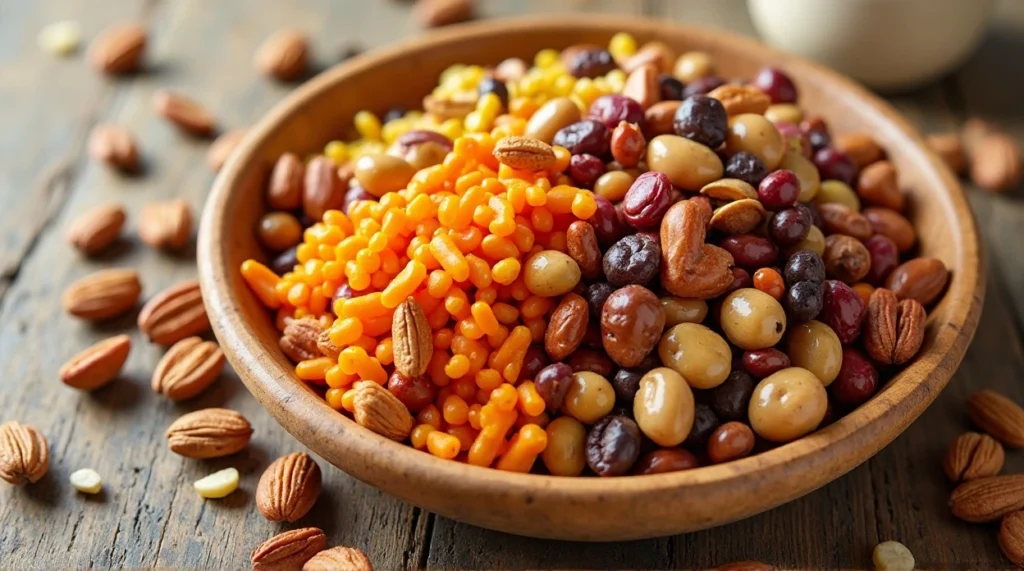
Nuts and seeds provide a powerful combination of healthy fats, fiber, and plant compounds that support heart health. Almonds, walnuts, flaxseeds, and chia seeds are especially beneficial for maintaining balanced lipid levels. These foods contain omega-3 fatty acids and antioxidants that help reduce inflammation in blood vessels.
Moreover, their fiber content supports better digestion and helps remove excess fats from the body. Including a small handful of nuts or seeds in daily meals can provide lasting benefits. They can be added to yogurt, oatmeal, salads, or smoothies, making them an easy and nutritious addition to a heart-friendly diet.
Balanced nutrition lowers Cholesterol more effectively when combined with daily walking, hydration, and regular sleep. Small dietary improvements practiced daily deliver powerful heart-protective results over time.
4. Fruits and Vegetables
Fruits and vegetables play a vital role in maintaining overall wellness and heart health. They are rich in fiber, vitamins, minerals, and antioxidants that help regulate Cholesterol levels naturally. Apples, berries, oranges, spinach, broccoli, and carrots contain plant compounds that protect arteries from damage. Fiber found in these foods helps remove excess fats from the digestive system before they enter the bloodstream.
In addition, antioxidants reduce oxidative stress, which contributes to plaque buildup in arteries. Eating a variety of colorful fruits and vegetables every day ensures the body receives essential nutrients needed for a healthy cardiovascular system.
5. Avocados
Avocados are rich in heart-friendly nutrients that support cardiovascular wellness. They contain monounsaturated fats that help improve lipid balance and support healthy Cholesterol levels. Unlike saturated fats found in processed foods, these healthy fats help reduce harmful LDL while maintaining beneficial HDL levels.
Avocados are also packed with potassium, fiber, and antioxidants that protect blood vessels and improve circulation. Adding avocado slices to salads, sandwiches, or smoothies can enhance both flavor and nutrition. Because of their nutrient density, avocados are considered one of the most beneficial foods for maintaining a balanced diet and promoting long-term heart health.
5. LDL Cholesterol-Lowering Foods
Certain cholesterol-lowering foods actively reduce LDL levels. For example:
LDL Reduction Potential by Food
These foods contain soluble fiber and plant sterols that block fat absorption.
6. How to Reduce Cholesterol Naturally
Many people prefer natural strategies. Learning how to reduce cholesterol naturally involves simple lifestyle adjustments.
Effective methods include:
Regular physical activity
Eating fiber-rich foods
Reducing saturated fats
Avoiding processed foods
Maintaining a healthy weight
These habits support long-term cardiovascular health.
7. Diet Strategy for Obese Individuals– Cholesterol Balance
Comparison of Fiber Sources for Heart Health
| Food Item | Soluble Fiber Content (per serving) | Primary Heart Benefit |
| Oats (1 cup) | 4.0g | Blocks absorption of fats |
| Black Beans (1 cup) | 4.8g | Reduces total Cholesterol |
| Apples (1 medium) | 1.2g | Improves artery flexibility |
| Barley (1 cup) | 3.0g | Lowers LDL Cholesterol |
For obese individuals, portion control and consistency are essential.
Monitoring LDL cholesterol using a LDL Calculator allows smarter food decisions.
Similarly, an LDL Calculator ensures gradual, measurable improvements.
Eat More Fiber
Fiber helps reduce LDL absorption and improves digestion.
Exercise Regularly
Physical activity increases HDL and supports cardiovascular health.
Reduce Sugar Intake
Less sugar helps prevent fat buildup in arteries.
8. Latest Research Insights
Recent research published by the American Heart Association highlights that diets rich in soluble fiber and plant sterols significantly lower LDL levels. According to the study, people who follow a fiber-rich diet reduce cardiovascular risk by up to 20%.
“Food is not just fuel; it is information that tells your heart how to heal, protect, and thrive.”
9. Food Impact Comparison
| Food Type | LDL Reduction (%) |
|---|---|
| Oats | 10–15% |
| Fatty Fish | 12–18% |
| Nuts & Seeds | 8–14% |
| Fruits & Veggies | 7–13% |
| Olive Oil | 5–10% |
10. Monitoring and Assessment
Monitoring blood markers helps evaluate progress. Regular blood tests measure LDL, HDL, and triglycerides.
Tracking diet, exercise, and weight allows you to adjust habits and maintain healthy lipid levels over time
11. The Bottom Line
Reducing cholesterol naturally in 2026 is achievable with informed food choices, consistency, and monitoring.
Therefore, focus on whole foods, track progress wisely, and prioritize heart health daily.
Whether you are using a digital tool or simply choosing salmon over steak, every small decision counts.
Start today by adding one heart-healthy food to your next meal.
Frequently Asked Questions (FAQ)

Benefits of Garlic: Fight Cancer & Boost Health
Benefits of Garlic: Fight Cancer & Boost Health 1. Introduction The Benefits of Garlic have…
How Physical Activity Helps Reduce LDL Cholesterol Naturally
How Physical Activity Helps Reduce LDL Cholesterol Naturally High LDL cholesterol silently damages your arteries…
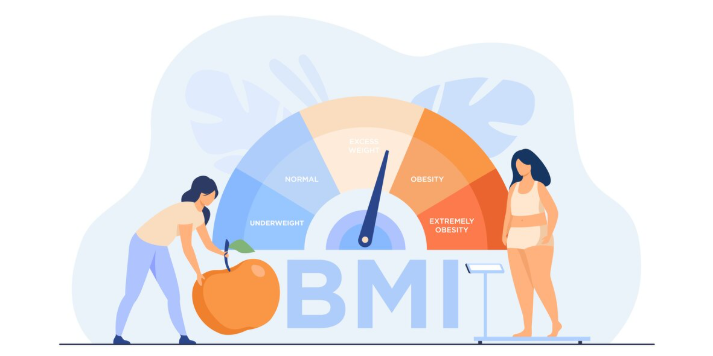
5 Simple ways to Know You are Overweight to Act Early
5 medically accepted ways to know if you are overweight Determining whether you are overweight…
Medical Disclaimer: The Website does not provide medical, clinical, or healthcare advise services. The content should not be relied upon as medical advice. Always seek the guidance of a qualified physician, healthcare provider, or medical professional with any questions you may have regarding a medical condition, treatment, or health decision. Never disregard professional medical advice or delay seeking it because of information found on this Website.