
Digital Hangover: How Screen Time Impacts Mental Health
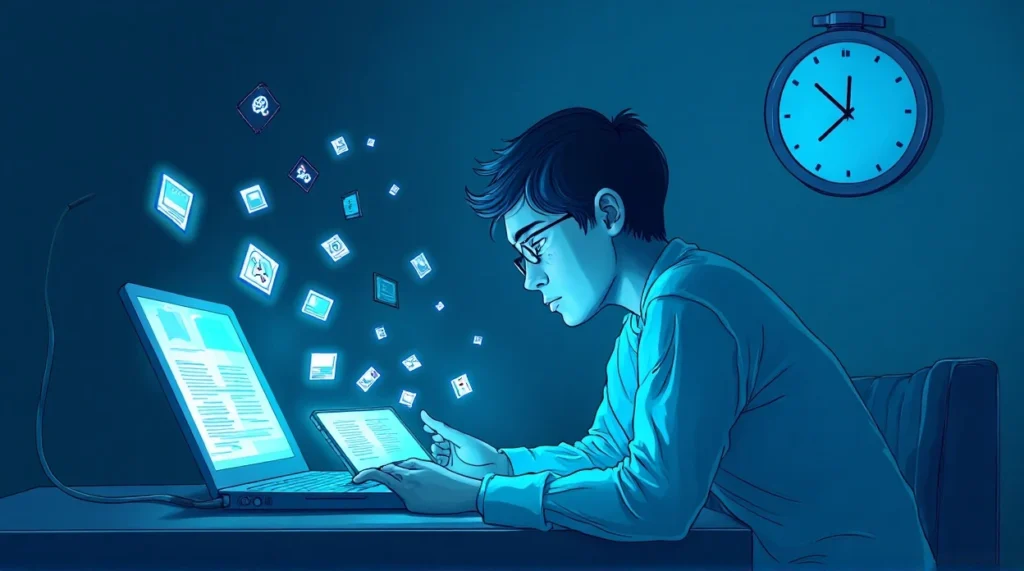
- Digital Hangover: How Screen Time Impacts Mental Health
Introduction
Digital Hangover is a growing issue in today’s screen-driven lifestyle, quietly affecting mental health across all age groups.
From work screens to entertainment feeds, constant exposure leaves the brain overstimulated and emotionally drained.
Modern technology keeps people connected at all times.
However, nonstop digital engagement rarely allows the mind to rest.
Therefore, understanding this issue is essential for maintaining emotional balance and mental clarity.
What Is Digital Hangover and Why Does It Matter?
Digital Hangover describes the mental fatigue and emotional fog caused by excessive screen use.
It often feels like mental heaviness, reduced focus, and irritability after long hours online.
Moreover, constant notifications and visual stimulation push the brain into a reactive mode.
As a result, stress levels rise while attention span and patience decline over time.
How Digital Hangover Affects Mental Health
Digital Hangover directly impacts emotional regulation, sleep patterns, and cognitive performance.
For example, excessive screen exposure—especially at night—interferes with quality sleep.
In addition, the brain struggles to process information efficiently.
Therefore, people may experience anxiety, low motivation, or mental exhaustion during daily tasks.
Excessive screen exposure gradually alters brain function, increasing stress and reducing focus. Balanced digital habits help preserve emotional stability, improve concentration, and support long-term mental health in a fast-paced digital environment.
Common Signs of Digital Hangover
Identifying Digital Hangover early helps prevent long-term mental strain. Common warning signs include:
- Mental fatigue and brain fog
- Difficulty concentrating
- Increased irritability
- Poor sleep quality
- Reduced interest in offline activities
However, these symptoms often go unnoticed because screen use feels unavoidable.
The Role of Devices and Daily Habits
Daily reliance on phones, laptops, and smart gadgets encourages continuous screen engagement.
Many people move from work screens to entertainment screens without meaningful breaks.
Moreover, social platforms are designed to capture attention.
Therefore, the brain remains overstimulated, making mental recovery increasingly difficult throughout the day.
Why Digital Hangover Feels So Overwhelming
It overwhelms the mind by flooding it with constant information.
This overload reduces emotional clarity and limits creative thinking.
Furthermore, online comparison culture adds emotional pressure.
As a result, stress increases while self-esteem may slowly decline without conscious awareness.
Practical Ways to Recover from Digital Hangover
Recovering from Digital Hangover does not mean avoiding technology completely. Instead, intentional use restores mental balance and emotional energy.
Helpful strategies include:
- Creating screen-free time before bed
- Taking short breaks during work hours
- Limiting unnecessary notifications
- Spending time outdoors daily
- Using gadgets mindfully instead of continuously
- Use stress calculator to assess stress
In addition, these habits promote long-term digital well-being.
Building Healthier Digital Boundaries
Healthy boundaries protect mental health in a connected world.
People who control screen habits often experience better focus, mood stability, and improved sleep.
Moreover, replacing passive scrolling with meaningful activities strengthens emotional resilience and daily productivity.
Technology should serve the mind, not control it. When balance replaces overload, clarity returns, stress fades, and mental health naturally improves
The Bottom Line
Excessive screen time affects mental health more than many realize.
By building awareness and practicing mindful digital habits, individuals can restore clarity, reduce stress, and enjoy technology without emotional burnout.

Pingback: The Data Flood: Are Health Metrics Helping or Harming Us?