
Burn fluid Calculation
Complete Guide to Fluid Resuscitation in Burns
- Burn fluid Calculation
- 1. Introduction to Burn fluid resuscitation guide
- 2. Understanding Burn fluid Resuscitation
- 3. What Parameters are considered for burn fluid calculation?
- 4. Pathophysiology of Burn & Burn fluid Resuscitation
- 5. Characteristics of Fluids Used in Burn Resuscitation
- 🔄 Fluid Resuscitation Flow
- 6. Burn Fluid Calculation Formula Explained
- 7. Comparison of Common Burn Fluid Calculation Formulas
- 8. Burn Fluid Management Formula in Practice
- 9. Goal Directed Burn Fluid Resuscitation
- 10. Using a Burn Fluid Calculator
- 11. Monitoring and Assessment in Burn Patients
- 12. Fluid Calculation in Special Cases
- 13. Practical Steps for Accurate Fluid Calculation in Burns
- 14. The Bottom Line
- 14. Burn Fluid Resuscitation – Frequently Asked Questions
1. Introduction to Burn fluid resuscitation guide
Burn- injuries demand rapid and precise Burn fluid resuscitation. Without timely intervention, patients can develop shock, organ failure, and life-threatening complications. Therefore, understanding accurate fluid replacement formula for burns is critical for survival and recovery.
Early and appropriate Burn fluid therapy restores circulating volume, maintains organ perfusion, and prevents burn shock. Clinicians must calculate fluids carefully while adjusting based on patient response. This guide simplifies complex formulas into practical steps.
Proper Burn fluid calculation during the first 24 hours significantly reduces mortality and improves organ function. Studies show that early resuscitation within the golden hours decreases complications such as acute kidney injury and multi-organ dysfunction. Therefore, mastering structured fluid protocols saves lives.
2. Understanding Burn fluid Resuscitation
Severe burns cause capillary leakage and massive plasma loss. As a result, intravascular volume drops quickly. Immediate Burn fluid replacement becomes essential to maintain tissue perfusion.
Most clinicians rely on structured formulas for accurate estimation for fluid resuscitation.
Fluid needs depend on:
Total Body Surface Area (TBSA) Burned
Patient Weight
Patient’s Age
Presence of Inhalation Injury
3. What Parameters are considered for burn fluid calculation?
🔴 Burn Characteristics
- Total Body Surface Area (TBSA) burned
- Depth of burn (partial or full thickness)
- Presence of inhalation injury
🔵 Patient Factors
- Body weight (kg)
- Age
- Pre-existing medical conditions
🟢 Physiological Status
- Urine output
- Vital signs (blood pressure, heart rate)
- Serum lactate levels
🟣 Time & Clinical Considerations
- Time elapsed since burn injury
- Ongoing fluid losses
- Associated trauma or shock
4. Pathophysiology of Burn & Burn fluid Resuscitation
Thermal damage to skin & tissues
↑ Capillary permeability
Plasma leakage & edema
Hypovolemia
↓ Cardiac output
Fluid resuscitation is the gold standard treatment because it restores circulating volume, maintains organ perfusion, and prevents burn shock. Guided by formulas like the Parkland formula, fluids are carefully calculated based on body weight and total body surface area burned. Early and adequate resuscitation improves survival, stabilizes hemodynamics, and supports tissue oxygenation during the critical first 24 hours after injury.
5. Characteristics of Fluids Used in Burn Resuscitation
Isotonic Crystalloids
Preferred initial fluids (e.g., Ringer’s lactate). Restore intravascular volume effectively.
Electrolyte Balanced
Contain sodium and lactate to prevent acidosis and maintain physiological balance.
Titrated to Response
Adjusted according to urine output, blood pressure, and lactate levels.
Colloids (Selective Use)
Used after 24 hours in selected cases to maintain oncotic pressure.
🔄 Fluid Resuscitation Flow
6. Burn Fluid Calculation Formula Explained
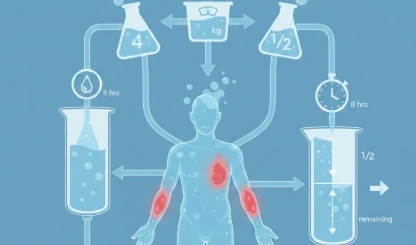
The most widely used Burn fluid calculation formula is the Parkland formula: 4 mL × Body Weight (kg) × %TBSA burned
Half of the calculated fluid is given in the first 8 hours. The remaining half is administered over the next 16 hours.
However, formulas provide only an estimate. Continuous reassessment ensures optimal fluid resuscitation therapy. Below is a simplified comparison:
7. Comparison of Common Burn Fluid Calculation Formulas
| Formula Name | 20-Word Introduction | Parameters Used in Formula | Limitations |
|---|---|---|---|
| Parkland Formula | Most widely used adult burn resuscitation formula calculating crystalloid requirements during first 24 hours using body weight and burn percentage. | 4 mL × Body weight (kg) × %TBSA burned | May cause fluid creep and over-resuscitation if not adjusted clinically. |
| Modified Parkland Formula | Adjusted version of Parkland reducing crystalloid volume to minimize fluid overload while maintaining adequate organ perfusion in burns. | 3–4 mL × Body weight (kg) × %TBSA burned | Still estimate-based; requires strict monitoring to avoid under-resuscitation. |
| Brooke Formula | Earlier burn resuscitation approach combining crystalloids, colloids, and glucose during first 24 hours after major burns. | Colloids: 0.5 mL × Weight (kg) × % TBSA Crystalloids (Lactated Ringer’s): 1.5 mL × Weight (kg) × % TBSA Maintenance (D5W): 2000 mL (standard adult maintenance) | May under-resuscitate in extensive or inhalation burns. |
| Evans Formula | Classic burn formula combining crystalloids and colloids separately to support plasma volume replacement during initial resuscitation phase. | 1 mL crystalloid + 1 mL colloid × kg × %TBSA | Complex calculations and colloid use may increase cost and monitoring needs. |
| Muir and Barclay Formula | Colloid-focused British protocol dividing calculated plasma requirements into timed periods for controlled burn shock management. | Colloid × %TBSA × Body weight ÷ time periods | Heavy reliance on colloids; less commonly used in modern practice. |
| Galveston Formula | Pediatric-specific resuscitation method calculating fluids based on body surface area for more accurate child burn management. | 5000 mL/m² burned area + 2000 mL/m² maintenance | More complex; requires accurate body surface area calculation. |
| Toronto Formula | Goal-directed resuscitation approach adjusting hourly fluid rates based on urine output and physiologic response rather than fixed totals. | Initial rate + urine output (mL/kg/hr) adjustment | Requires intensive monitoring and experienced clinical judgment. |
8. Burn Fluid Management Formula in Practice
The Burn fluid management formula helps structure initial resuscitation. Yet, goal-directed adjustments remain essential.
Key monitoring targets include:
Such structured monitoring ensures safe Burn fluid delivery without overload.
9. Goal Directed Burn Fluid Resuscitation
Modern protocols emphasize goal directed burn fluid resuscitation. Instead of rigid formula-based treatment, clinicians tailor fluids according to physiological endpoints.
For instance, if urine output remains low despite calculated fluids, additional resuscitation may be required. Conversely, excessive fluids increase the risk of compartment syndrome.
Therefore, patient response always overrides formula numbers in fluid resuscitation therapy.
10. Using a Burn Fluid Calculator
Today, digital tools simplify clinical work. A Burn fluid calculator instantly computes fluid needs after entering weight and TBSA. This reduces human error and speeds emergency care.
Nevertheless, calculators should complement—not replace—clinical judgment. Urine output, blood pressure, and lactate levels must guide final decisions.
11. Monitoring and Assessment in Burn Patients
Accurate monitoring prevents complications. Continuous evaluation helps adjust fluid transfusion rates safely.
Important assessment parameters:
Frequent reassessment ensures the calculated fluid volume matches patient needs.
Over-resuscitation with excessive Burn fluid can cause pulmonary edema, abdominal compartment syndrome, and delayed wound healing. Under-resuscitation, however, increases the risk of shock and renal failure. Therefore, clinicians must strike a careful balance through frequent reassessment and structured monitoring.
12. Fluid Calculation in Special Cases
Children require modified burns fluid calculation due to higher metabolic demands. Elderly patients often need cautious titration because of cardiac limitations.
In electrical burns, deeper tissue injury increases fluid requirements. Additionally, inhalation injuries may necessitate closer respiratory monitoring during resuscitation.
Each approach guides initial Burn fluid therapy, but clinical endpoints remain crucial.
13. Practical Steps for Accurate Fluid Calculation in Burns
Follow these steps:
“In burn care, precision in the first 24 hours determines survival in the next 24 days.”
14. The Bottom Line
Effective Burn fluid resuscitation is both science and art. While formulas guide initial therapy, continuous reassessment ensures safety. Early intervention prevents shock, preserves organ function, and improves survival.
Mastering structured protocols, modern calculators, and goal-directed
14. Burn Fluid Resuscitation – Frequently Asked Questions
For Nutrition related updates Click here