
Forget Bubble Baths—Mental Health Is the New Self-Care

- Forget Bubble Baths—Mental Health Is the New Self-Care
- 1. Introduction of Mental Health
- 2. Why Mental Health Is the Real Self-Care
- 3. The Rise of Mental Health Awareness
- 4. Modern Self-Care: A New Approach to Mental Health care
- 5. Emotional Wellbeing and Daily Balance
- 6. Stress Management: A Core Self-Care Skill
- 7. Mindful Living for a Balanced Mind
- 8. Mental Health Monitoring and Assessing Personal Wellbeing
- 9. Latest Research on Mental Health and Self-Care
- 10. Traditional Mental Health care vs Modern Self-Care
- 11. Self-Care Strategy
- 12. Self-Care Process
- 13. Role of talking about self and communication
- 14. The Future of Self-Care
- 15. The Bottom Line
- Frequently Asked Questions
1. Introduction of Mental Health
For years, self-care meant spa days, scented candles, and relaxing bubble baths. While those activities feel good, they do not always address deeper emotional needs. Today, people are redefining self-care by focusing on mental health as the foundation of a balanced life. When individuals protect their mental health, they improve relationships, productivity and overall happiness.
In fact, experts now emphasize that true self-care involves managing stress, building resilience, and creating supportive habits.
Therefore, prioritizing mental health is no longer optional—it is essential for thriving in a fast-paced modern world.
Real self-care goes beyond comfort rituals. It focuses on habits that protect mental health daily, such as setting boundaries, maintaining supportive relationships, and managing stress effectively. These actions build long-term emotional strength rather than providing only temporary relief.
2. Why Mental Health Is the Real Self-Care
Traditional self-care often focused on short-term relaxation. However, modern lifestyles bring constant digital pressure, work stress, and social expectations. As a result, people now realize that caring for mental health provides deeper and longer-lasting benefits.
When individuals actively protect their mental health, they can:
Think more clearly and make better decisions
Maintain healthier relationships
Handle stress more effectively
Improve productivity and focus
Experience greater life satisfaction
Moreover, research consistently shows that good mental health contributes to physical health, sleep quality, and immune strength.
3. The Rise of Mental Health Awareness
In recent years, mental health awareness has increased dramatically across workplaces, schools, and communities. Campaigns, open discussions, and social media advocacy have encouraged people to talk openly about emotional struggles.
Because of this shift, seeking support is no longer seen as a weakness. Instead, individuals view protecting mental health as a responsible and proactive choice. Governments and organizations are also investing in resources that help people maintain healthier lifestyles.
What Changed in Society about Mental Health?
Several factors contributed to this cultural shift:
Consequently, people now recognize that self-care must include emotional and psychological support.
4. Modern Self-Care: A New Approach to Mental Health care
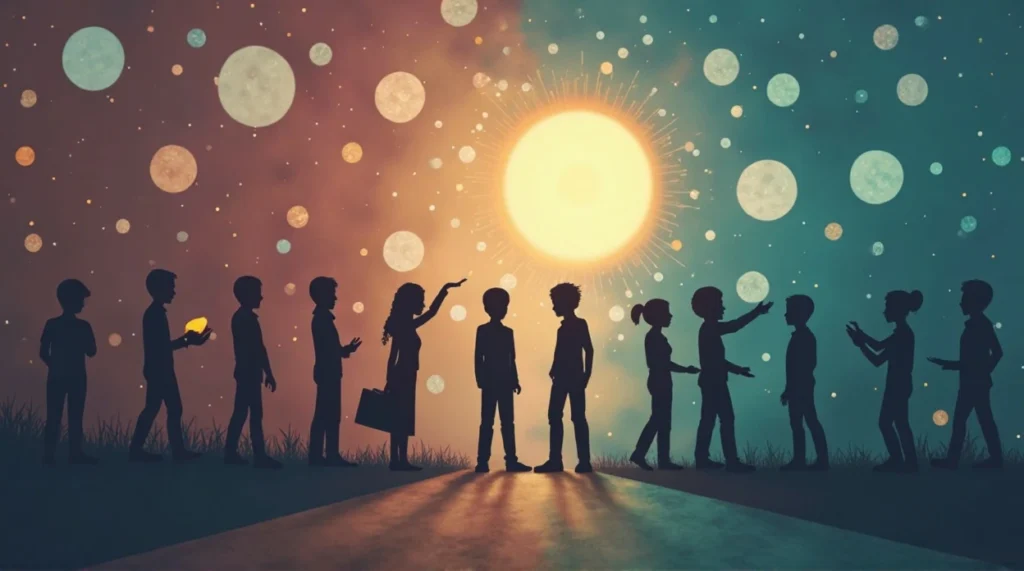
Today’s modern self care focuses less on luxury and more on sustainable habits that protect mental health. These habits support long-term wellbeing rather than temporary comfort. Examples of modern self-care practices include:
- Setting digital boundaries
- Practicing daily reflection
- Prioritizing sleep and rest
- Building supportive friendships
- Seeking professional guidance when needed
However, these practices require consistency. Small daily choices often create the greatest long-term impact on mental health.
5. Emotional Wellbeing and Daily Balance
Strong emotional wellbeing helps individuals manage challenges without becoming overwhelmed. When people nurture emotional resilience, they protect mental health and maintain stability during difficult times. Key habits that support emotional wellbeing include:
Journaling thoughts and feelings
Expressing gratitude regularly
Practicing empathy in relationships
Maintaining work-life balance
Moreover, emotional awareness helps individuals identify stress triggers before they escalate.
6. Stress Management: A Core Self-Care Skill
Effective stress management plays a critical role in maintaining strong mental health. Stress cannot always be avoided, but people can learn to respond to it in healthier ways.
Here are practical strategies:
- Deep breathing exercises
- Short breaks during work
- Physical activity
- Structured daily routines
- Limiting information overload
Therefore, learning stress management skills transforms everyday challenges into manageable situations.
7. Mindful Living for a Balanced Mind
Mindful living encourages individuals to focus on the present moment rather than worrying about past or future problems. This practice significantly strengthens mental health and improves emotional stability. Mindfulness habits include:
Meditation or breathing exercises
Slow, intentional eating
Spending time in nature
Reducing multitasking
Furthermore, mindfulness helps people recognize negative thought patterns and replace them with healthier perspectives.
8. Mental Health Monitoring and Assessing Personal Wellbeing
Tracking emotional patterns can help individuals identify areas that need improvement. Journaling, mood tracking apps, and weekly reflection allow people to understand how habits affect mental health over time. Therefore, regular monitoring creates awareness and encourages healthier choices.
You can try these mental health calculators to know about parameter levels.




Self-care should never replace professional support when serious emotional struggles appear. If stress, anxiety, or sadness persist for long periods, consulting a qualified professional is essential for protecting long-term wellbeing and maintaining healthy emotional balance.
9. Latest Research on Mental Health and Self-Care
Recent studies highlight the importance of prioritizing emotional wellbeing. According to research published by the World Health Organization, regular stress-reduction practices and social support significantly improve long-term psychological resilience. Their report explains that consistent self-care habits reduce anxiety, improve productivity, and strengthen life satisfaction.
10. Traditional Mental Health care vs Modern Self-Care
11. Self-Care Strategy
Healthy Boundaries
Limit digital overload and protect personal time. Boundaries prevent burnout and create space for emotional recovery.Daily Reflection
Spend a few minutes each day reviewing thoughts and emotions. Reflection helps maintain balance and personal awareness.Support Systems
Strong relationships with friends, family, or mentors provide encouragement during challenging situations.Physical Activity
Regular movement improves mood and boosts emotional stability.Mindfulness Practice
Short meditation sessions calm the mind and reduce anxiety.Quality Sleep
Consistent sleep schedules help regulate emotions and improve focus.12. Self-Care Process
13. Role of talking about self and communication
Talking about mental health plays a vital role in building awareness, reducing stigma, and encouraging people to seek help when they need it. For many years, discussions about emotional struggles were often avoided or misunderstood. However, open conversations about mental health allow individuals to share their experiences, feelings, and challenges without fear of judgment.
When people speak openly about their mental health, it helps others realize they are not alone in their struggles. This sense of connection can reduce feelings of isolation and create supportive environments in families, workplaces, and communities. In addition, honest communication encourages empathy and understanding among people.
Discussing mental health also makes it easier to recognize early signs of stress, anxiety, or emotional difficulties. When individuals communicate their feelings, they can receive guidance, emotional support, or professional help at the right time. Early support often prevents small problems from becoming more serious.
Moreover, talking about mental health promotes healthier coping strategies such as seeking advice, practicing mindfulness, and maintaining positive relationships. It empowers individuals to prioritize their wellbeing and take proactive steps toward emotional balance.
Ultimately, open dialogue about mental health creates a culture where caring for emotional wellbeing is seen as normal, responsible, and essential for living a balanced and fulfilling life.
14. The Future of Self-Care
As society continues to evolve, self-care will likely focus even more on prevention rather than quick fixes. Schools, workplaces, and communities are already introducing programs that prioritize emotional wellbeing.
These programs encourage open communication, stress reduction strategies, and supportive environments. Consequently, people are learning that protecting emotional balance is a lifelong responsibility.
“True self-care begins the moment we prioritize emotional balance over temporary comfort. Protecting our inner wellbeing builds resilience, clarity, and the strength needed to navigate life’s challenges with confidence.”
15. The Bottom Line
The concept of self-care has changed significantly over the past decade. Bubble baths and relaxation rituals may provide temporary comfort, but they cannot replace deeper emotional support. Today, the real priority is protecting mental health through sustainable habits, mindful awareness, and supportive relationships.
By focusing on emotional balance, individuals build resilience that helps them handle life’s challenges more effectively. Therefore, the future of self-care lies not in luxury routines but in consistent actions that strengthen overall wellbeing.
When people take responsibility for their emotional wellbeing, they create healthier lives, stronger communities, and a more balanced society.
Frequently Asked Questions


Top 10 Hidden Health Risks You Shouldn’t Ignore in 2026 (Early Signs & Prevention Guide)
Top 10 Hidden Health Risks You Shouldn’t Ignore in 2026 (Early Signs & Prevention Guide)…

Benefits of Garlic: May Fight Cancer & Boost Health
Benefits of Garlic: May Fight Cancer & Boost Health 1. Introduction “Garlic has been used…

How Physical Activity Helps Reduce LDL Cholesterol Naturally
How Physical Activity Helps Reduce LDL Cholesterol Naturally High LDL cholesterol silently damages your arteries…
Medical Disclaimer: The Website does not provide medical, clinical, or healthcare advise services. The content should not be relied upon as medical advice. Always seek the guidance of a qualified physician, healthcare provider, or medical professional with any questions you may have regarding a medical condition, treatment, or health decision. Never disregard professional medical advice or delay seeking it because of information found on this Website.