
Cholesterol and Heart Health: 5 Symptoms You Shouldn’t Ignore
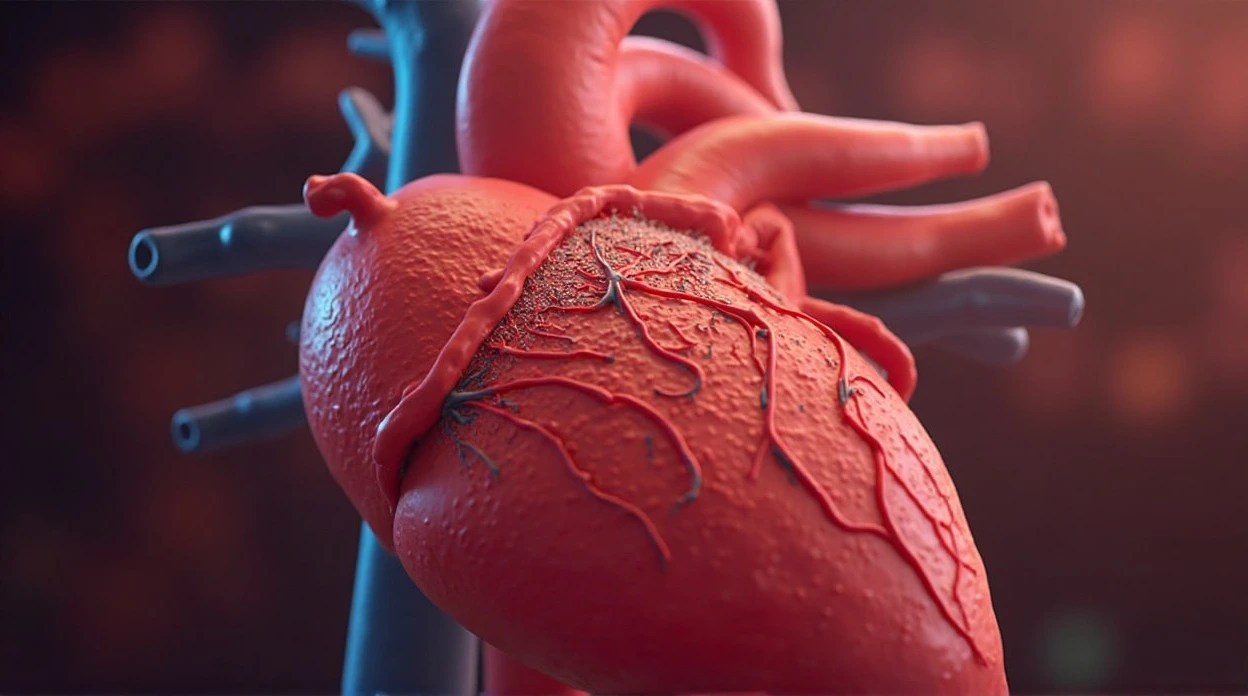
- Cholesterol and Heart Health: 5 Symptoms You Shouldn’t Ignore
- 1. Introduction
- 2. Understanding Cholesterol and Its Role
- i). Persistent Fatigue and Low Energy
- ii). Chest Discomfort or Tightness
- iii). Visible Physical Signs on Skin
- iv). High Blood Pressure
- v). Shortness of Breath
- 3. How Lifestyle Reflects Cholesterol Levels
- 4. When to Get Checked
- 5. References
- 6. The Bottom Line
- Frequently Asked Questions
1. Introduction
Cholesterol and Heart Health are closely connected, yet many people don’t realize how early signs of imbalance can show up in everyday life. While cholesterol itself isn’t always harmful, the way it behaves in your body can reveal important clues about your heart condition. Understanding these signs can help you take action before serious complications develop.
In this article, you’ll learn five key indications cholesterol gives about your heart health. We’ll also explore how to recognize high cholesterol symptoms, understand LDL and HDL levels, and identify warning signs that shouldn’t be ignored. By the end, you’ll have a clearer picture of how your body signals potential risks—and what you can do about them.
2. Understanding Cholesterol and Its Role
Cholesterol is a waxy substance found in your blood. Your body needs it to build cells, but too much can lead to problems. The balance between good vs bad cholesterol plays a major role in heart disease risk factors.
There are two main types:
- LDL (Low-Density Lipoprotein) cholesterol: Often called “bad” cholesterol because it builds up in arteries
- HDL (High-Density Lipoprotein) cholesterol: Known as “good” cholesterol because it helps remove excess cholesterol
When LDL levels are high and HDL is low, your risk of heart disease increases. This is why LDL and HDL levels explained in simple terms can make a big difference in how you manage your health.
According to sources like World Health Organization, maintaining healthy cholesterol levels is essential for preventing cardiovascular diseases.
i). Persistent Fatigue and Low Energy
One of the lesser-known cholesterol warning signs is ongoing fatigue. When arteries become narrowed due to cholesterol buildup, oxygen-rich blood struggles to reach your muscles and organs.
This can leave you feeling:
- Constantly tired
- Weak during simple activities
- Lacking stamina
Although fatigue can also be linked to stress or mental health issues, it’s important not to ignore it. Sometimes people rely on tools like a stress calculator or anxiety assessment to explain their tiredness, but underlying physical causes like high cholesterol symptoms should also be considered.
If your fatigue persists despite rest, it may be time to check your cholesterol levels.
ii). Chest Discomfort or Tightness
Chest pain or tightness is one of the most serious signs of unhealthy cholesterol levels. This occurs when plaque buildup restricts blood flow to the heart.
You may experience:
- Pressure in the chest
- Pain during physical activity
- A feeling of heaviness
This is often associated with angina, a condition linked to heart disease risk factors. Ignoring these cholesterol warning signs can lead to severe complications like heart attacks.
Even mild chest discomfort should not be overlooked, especially if you have other risk factors such as obesity or a sedentary lifestyle.
iii). Visible Physical Signs on Skin
Sometimes, cholesterol leaves visible clues on your body. These signs are often overlooked but can indicate long-term imbalance.
Common signs include:
- Yellowish deposits around the eyes (xanthelasma)
- Fatty bumps on the skin
- Grayish rings around the cornea
These are clear signs of unhealthy cholesterol levels and should prompt a medical checkup. While they may not cause pain, they reflect underlying issues in cholesterol and heart health.
Interestingly, people who are already managing other health issues—like following a burn care guide for skin recovery—may notice these unusual skin changes more quickly. Paying attention to such differences can help in early detection.
iv). High Blood Pressure
High cholesterol and high blood pressure often go hand in hand. When cholesterol builds up in the arteries, it makes them narrower and less flexible.
This leads to:
- Increased pressure on artery walls
- Reduced blood flow
- Higher risk of heart disease
High blood pressure is one of the major heart disease risk factors identified by organizations like the CDC. It’s often called a “silent killer” because it may not show obvious symptoms until serious damage occurs.
Monitoring your blood pressure regularly can help detect problems early. Combined with understanding LDL and HDL levels explained clearly, you can take better control of your cardiovascular health.
v). Shortness of Breath
If you find yourself getting breathless easily, it could be more than just lack of fitness. Shortness of breath can be a sign that your heart isn’t pumping blood efficiently due to blocked arteries.
This may happen during:
- Climbing stairs
- Walking short distances
- Light physical activity
When oxygen supply is reduced, your body struggles to function normally. This is a significant cholesterol warning sign that should not be ignored.
People often confuse this with anxiety or stress-related symptoms. While mental health plays a role, it’s important to rule out physical causes. Tools like anxiety assessment tests can help differentiate emotional causes, but medical testing is essential for accurate diagnosis.
3. How Lifestyle Reflects Cholesterol Levels
Your daily habits strongly influence cholesterol and heart health. Poor diet, lack of exercise, and stress all contribute to rising cholesterol levels.
For example, diet plans like the Galveston formula guide emphasize balanced nutrition, which can support healthy cholesterol levels when followed correctly. Similarly, managing stress through proper techniques can prevent additional strain on your heart.
Here are simple lifestyle factors that impact cholesterol:
- High intake of processed or fatty foods
- Sedentary lifestyle
- Smoking and alcohol consumption
- Chronic stress
Even mental health plays a subtle role. Stress hormones can indirectly affect cholesterol levels, making it important to maintain emotional balance alongside physical health.
4. When to Get Checked
Recognizing high cholesterol symptoms early can prevent serious complications. However, cholesterol often doesn’t show clear symptoms until damage is already done.
You should consider testing if you:
- Feel persistent fatigue
- Experience chest discomfort
- Notice unusual skin changes
- Have high blood pressure
- Get breathless easily
Regular blood tests are the most reliable way to monitor your cholesterol levels. Health experts recommend routine screening, especially if you have a family history of heart disease.
5. References
- The Complete Guide to Lowering Your Cholesterol – Mary E. Mihaly
- Action Plan for High Cholesterol – Larry Durstine
- Cholesterol Protection for Life – Joel Fuhrman
- World Health Organization – Cardiovascular Diseases
6. The Bottom Line
Cholesterol and Heart Health are deeply interconnected, and your body often gives early warning signs before serious problems arise. From fatigue and chest discomfort to visible skin changes and breathlessness, these indications should never be ignored.
By understanding cholesterol warning signs and maintaining a healthy lifestyle, you can reduce your risk of heart disease significantly. Regular checkups, balanced nutrition, and attention to both physical and mental health can make a lasting difference.
Frequently Asked Questions
1. Can cholesterol levels change quickly?
Yes, cholesterol levels can change within a few weeks if you improve your diet, increase physical activity, and reduce unhealthy habits. However, lasting results require consistency over months, not just short-term efforts, especially when managing cholesterol and heart health effectively.
2. Is high cholesterol always genetic?
High cholesterol is not always genetic. While some people inherit conditions affecting cholesterol levels, most cases are linked to lifestyle factors such as poor diet, lack of exercise, obesity, and stress, all of which contribute significantly to heart disease risk factors.
3. At what age should you start checking cholesterol?
Cholesterol testing should ideally begin in your early 20s. Regular screening helps detect early imbalances, especially if you have a family history or other risk factors. Monitoring cholesterol and heart health early can prevent long-term cardiovascular complications.
4. Can stress increase cholesterol levels?
Yes, chronic stress can indirectly raise cholesterol levels by triggering unhealthy habits like overeating, smoking, or inactivity. Using tools like a stress calculator can help identify stress patterns, allowing better lifestyle adjustments to protect both mental health and heart health.
5. Are cholesterol symptoms different in men and women?
Cholesterol symptoms are generally similar, but women may experience subtler signs like fatigue, shortness of breath, or mild discomfort. These differences can delay diagnosis, making awareness of cholesterol warning signs important for both genders.
6. Does drinking water help reduce cholesterol?
Drinking water alone does not directly lower cholesterol levels. However, proper hydration supports metabolism and overall body function. When combined with a balanced diet and exercise, it contributes positively to maintaining healthy cholesterol and heart health.
7. Can exercise alone control cholesterol levels?
Exercise plays a major role in improving cholesterol levels by increasing HDL and reducing LDL. However, it is most effective when combined with a healthy diet and lifestyle changes. Relying on exercise alone may not fully address high cholesterol symptoms.
8. Is medication always required for high cholesterol?
Medication is not always necessary. Many individuals can manage cholesterol through lifestyle changes like diet, exercise, and stress management. However, in severe cases or when risk is high, doctors may prescribe medication to reduce heart disease risk factors.
9. Can mental health affect cholesterol levels?
Yes, mental health can influence cholesterol levels indirectly. Conditions like anxiety or depression may lead to unhealthy eating or inactivity. Taking an anxiety assessment and managing emotional well-being can support better lifestyle choices and improved cholesterol balance.
10. How often should cholesterol levels be tested?
Most adults should check cholesterol every year. However, people with existing heart disease risk factors or signs of unhealthy cholesterol levels may need more frequent testing to monitor changes and prevent serious cardiovascular issues.

Top 10 Hidden Health Risks You Shouldn’t Ignore in 2026 (Early Signs & Prevention Guide)
Top 10 Hidden Health Risks You Shouldn’t Ignore in 2026 (Early Signs & Prevention Guide)…

Benefits of Garlic: May Fight Cancer & Boost Health
Benefits of Garlic: May Fight Cancer & Boost Health 1. Introduction “Garlic has been used…
How Physical Activity Helps Reduce LDL Cholesterol Naturally
How Physical Activity Helps Reduce LDL Cholesterol Naturally High LDL cholesterol silently damages your arteries…
Medical Disclaimer: The Website does not provide medical, clinical, or healthcare advise services. The content should not be relied upon as medical advice. Always seek the guidance of a qualified physician, healthcare provider, or medical professional with any questions you may have regarding a medical condition, treatment, or health decision. Never disregard professional medical advice or delay seeking it because of information found on this Website.